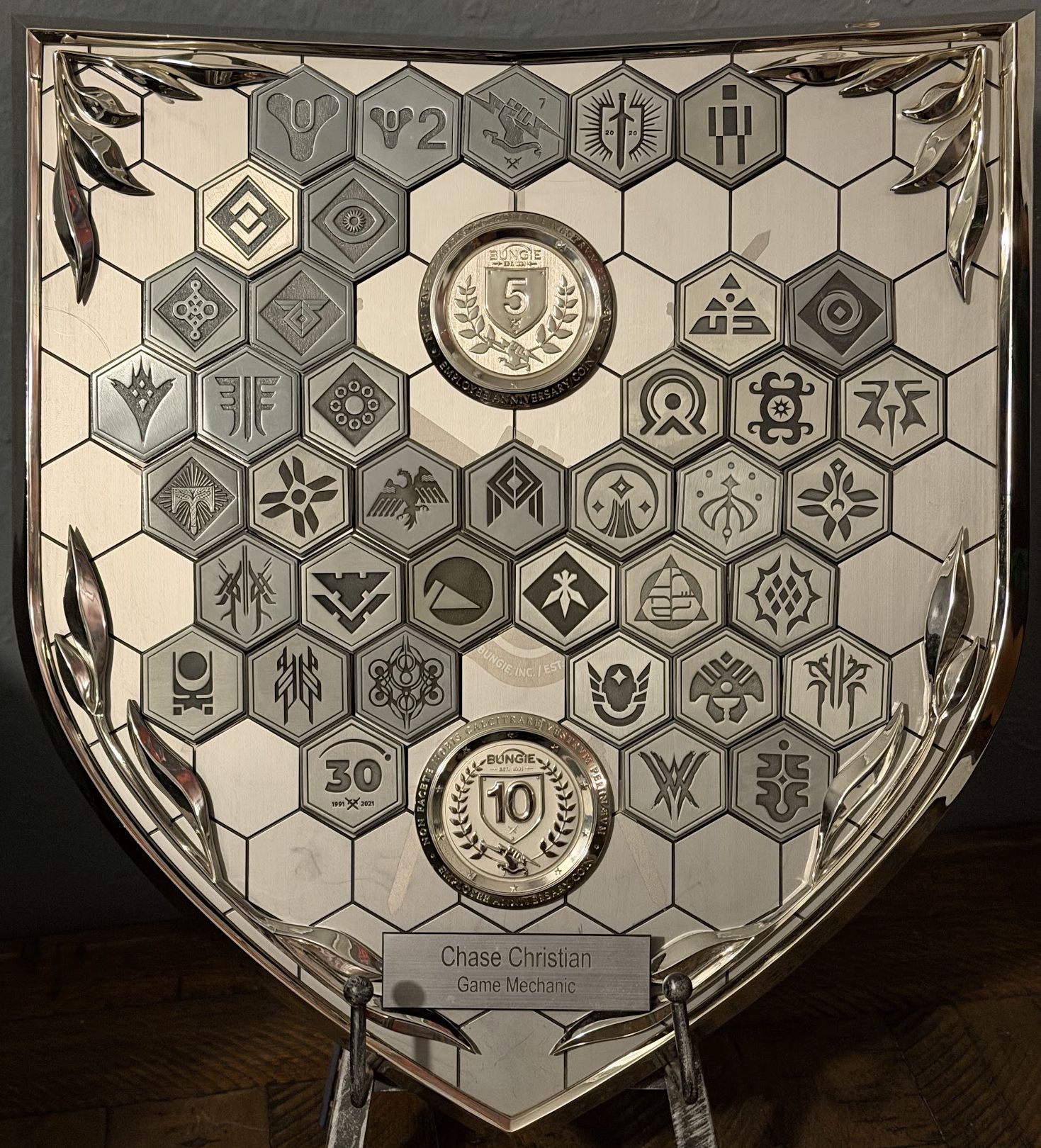
DRAFT - Destiny
 > Per Audacia Ad Astra, 2013
Destiny
I first saw Destiny on June 9 2013, along with the rest of the world. Showcasing at E3 2013 in Los Angeles, Bungie revealed the game they had been crafting, with the Official Destiny E3 Gameplay Trailer and a live demo. It absolutely blew me away. I was a long-time World of Warcraft player, but the tab-target action-bar-style gameplay was never my favorite. It was WoW’s social elements: guilds, raiding, trading, BlizzCon, etc that kept me subscribed. An action shooter with social/MMO elements would truly be my dream game.
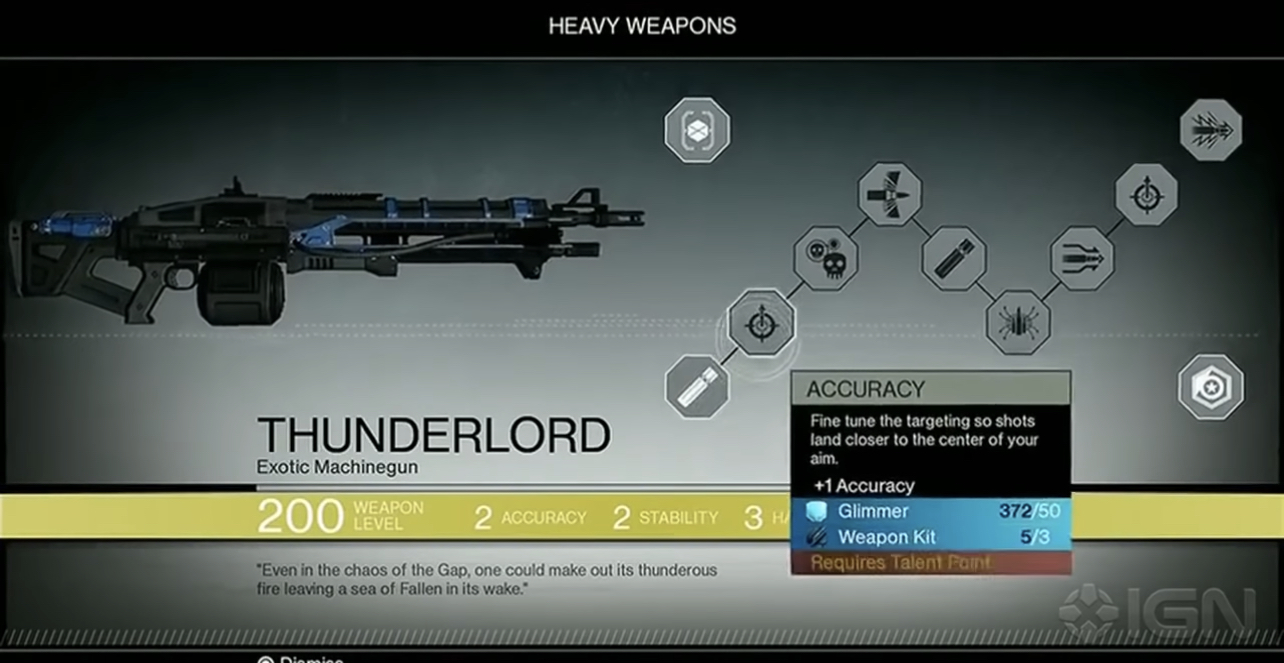 > An early rev of the D1 UI, 2013
I didn’t play much Halo growing up, as my family was mostly a Nintendo household. I had of course played some Halo and understood who Master Chief was and all of that, but it wasn’t a core memory for me. My wife, on the other hand, was deeply into the series, had read all the books, bought the collector’s edition consoles, etc. The first gift I ever got for her, while we were just friends, was a Master Chief hoodie from the Bungie Store in 2004. In early 2013, I was looking for positions at tech companies in the PacNW, and Bungie stood out on the list purely because of her fandom.
I had started the application process a few weeks prior, which was put on hold during E3. We picked back up with an interview call on June 11, where the team said I was the first candidate they’d talked to since the trailer reveal the weekend prior. They asked what I thought: how does the game really look to someone on the outside? Everybody currently working at the studio had either been around forever or joined on the strength of Halo, and so came into Destiny completely blind. I was someone who had seen what they were building – what I could be building - in advance. I replied honestly: “I’m here, and I’m in.”
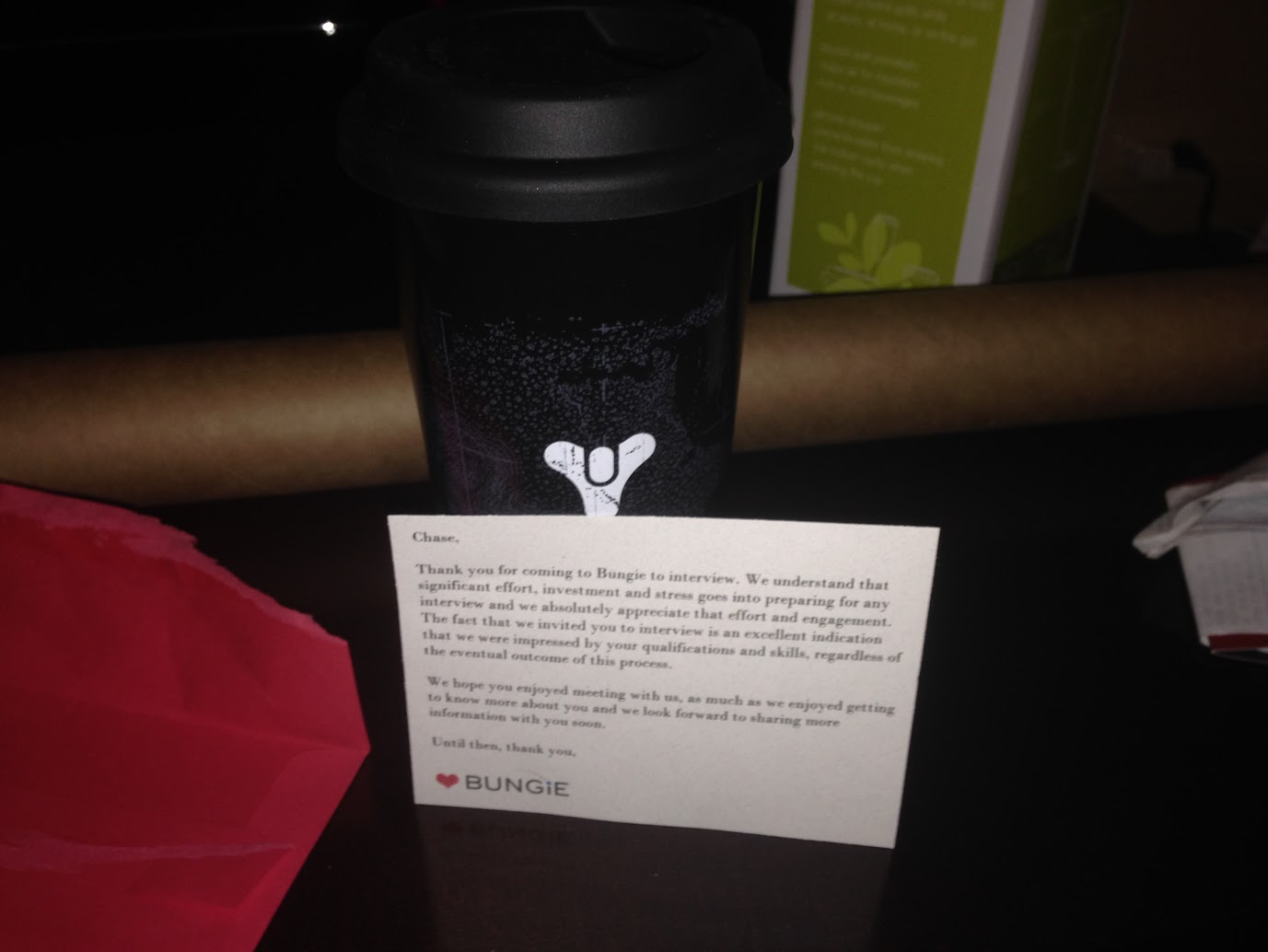 > Interview card from Bungie, 2013
On June 9 2026, 13 years later, Destiny 2 has received its final live-service content update. To say that Destiny was an important part of my life would be an understatement. For most of those 13 years, it was my life. Late nights working on the game and even later nights playing the game, a thousand clanmates and raid teams and shooters and villains and blueberries and lifelong friends, tens of thousands of dollars of merch and silver and untold thousands of hours played: the line between work and play was so very thin.
When I decided to write this post, I started a notepad outline of everything I wanted to cover. I have a hundred stories about Bungie and about Destiny and and about the years and about the team and about myself, and there’s truly no need (nor time) for recapping a decade of tales. Instead, I am going to focus on a handful of stories that made an impression on who I am today.
We make games we want to play
Bungie’s motto was We Make Games We Want To Play, and I wanted to play Destiny so fucking badly. They could not have cooked up a more perfect game for me in the lab. From the first time I saw it, I wanted to play it every day. So, I did.
Destiny had a lunchtime playtest ritual, where volunteers filled internal Crucible lobbies every day at noon, with whatever the most-recent mostly-non-crashing build happened to be. It was organic: dozens of us wanted to see what changes were happening and give new guns or abilities or maps a first look. I remember my first time fumbling around trying to fire a fusion rifle. Each day, I’d see the same gamertags in the lobbies, and started to form bonds and rivalries with my coworkers.
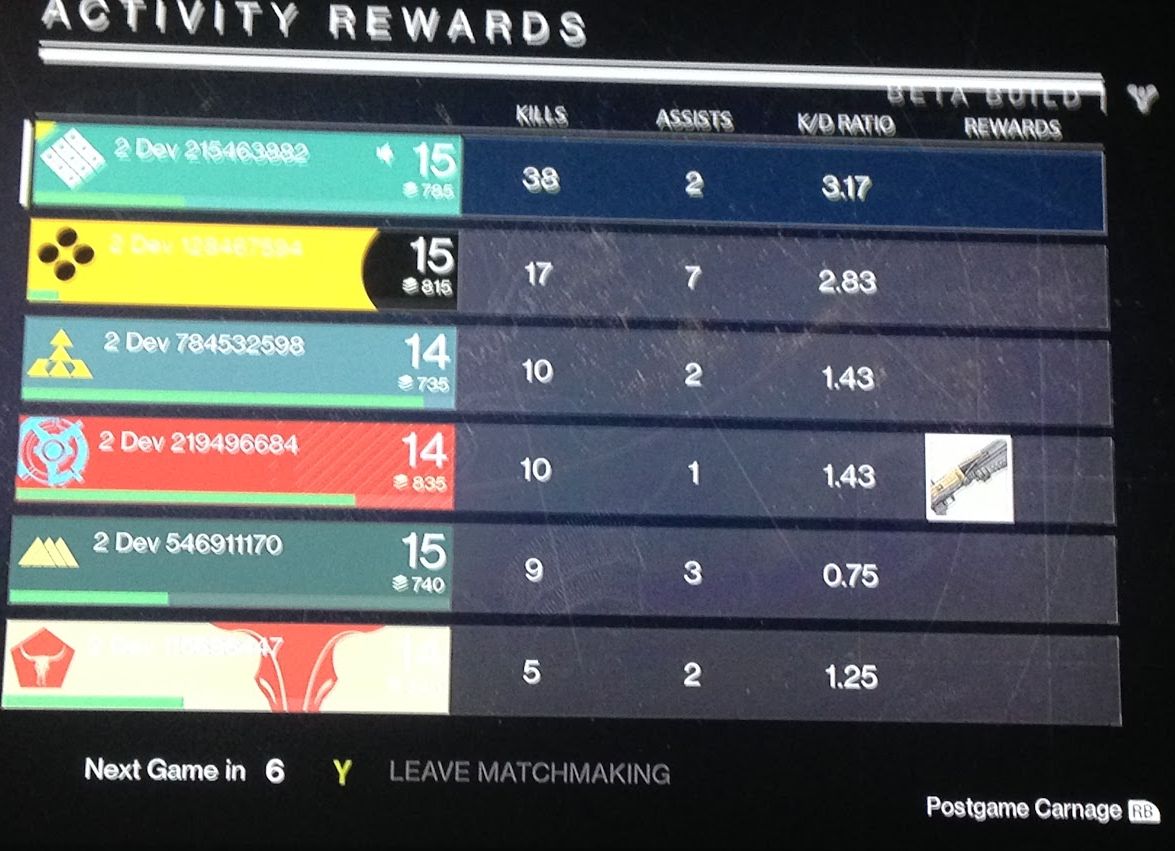 > Topping the charts since 2013
One day in 2015, my team took a new hire out to lunch. Whenever we’d take out a new hire, I had a few stock icebreaker questions to get to know folks. One was “if you had a magic wand and could add, change, or remove anything from Destiny, what would it be?” We’d get a peek into what really mattered for that person, and see what Destiny meant to them.
Another question was “what’s your gamertag, and what’s the story behind it?” You can learn a lot about folks as they explain why they picked their xx_hardcore_xx gamertag when they were teenagers. This particular new hire told me his gamertag, and I immediately stood up and shouted: “YOU’RE that asshole??????” He stood up: “wait YOU’RE madsushi????”
We’d been sparring every day at noon for weeks, without either of us knowing the other’s identity, hidden behind our gamertags. He knew all of my clever techniques, I knew all of his dirty moves, and we’d often be atop opposite sides of the leaderboard. We were able to forge a truce that day, became friends, and put our teamwork together in Trials for many years after. It was my first friendship forged in Shaxx’ fires, and not the last.
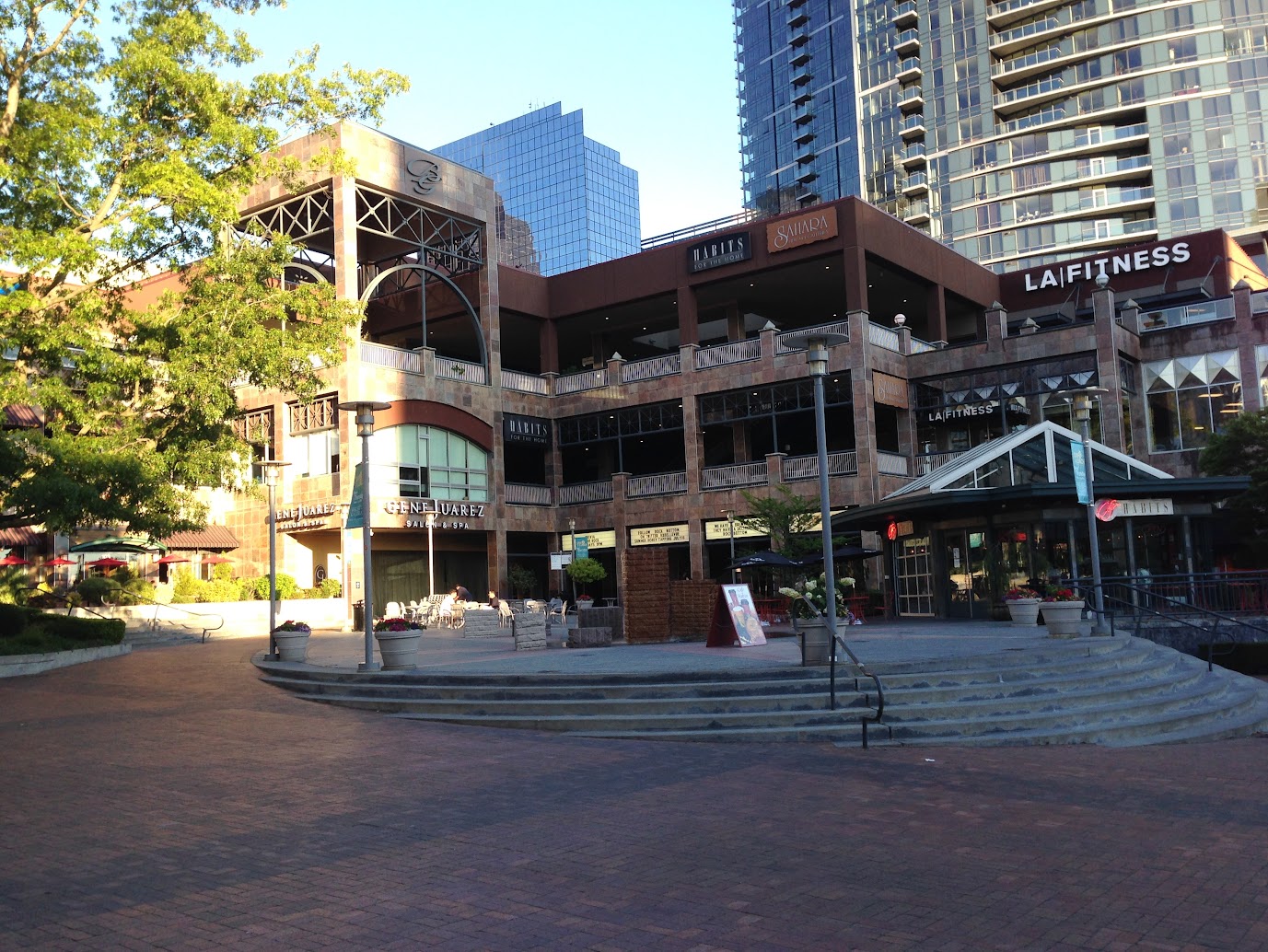 > Bungie HQ, the Galleria, in 2013
Non facete nobis calcatrare vestrum perinæum
In Bungie’s original Bellevue Galleria office, there were a pair of playtest labs with a shared wall between them: Dead Zone and Reef. A row of console stations was set in each room alongside that shared wall. On Friday evenings, after long weeks of building Destiny, with the week’s latest build, the most dedicated (and degenerate) shooters would gather to crown a Weekend Champion. When you made an especially exquisite kill, you’d stand up and slap the wall to let the team on the other side know. Trash talk was yelled from each room and echoed between via the walkway.
The DZ/Reef combo labs became home to over a decade’s worth of rivalries, with internal matches of Crucible, Trials (Osiris and the Nine), Gambit, Sparrow Racing League, timed raids, scored nightfalls, and more, writing the lore of the victors in our memories. On any given evening, you’d hear shouts from the mezzanine, and know that competitive blood was being spilled.
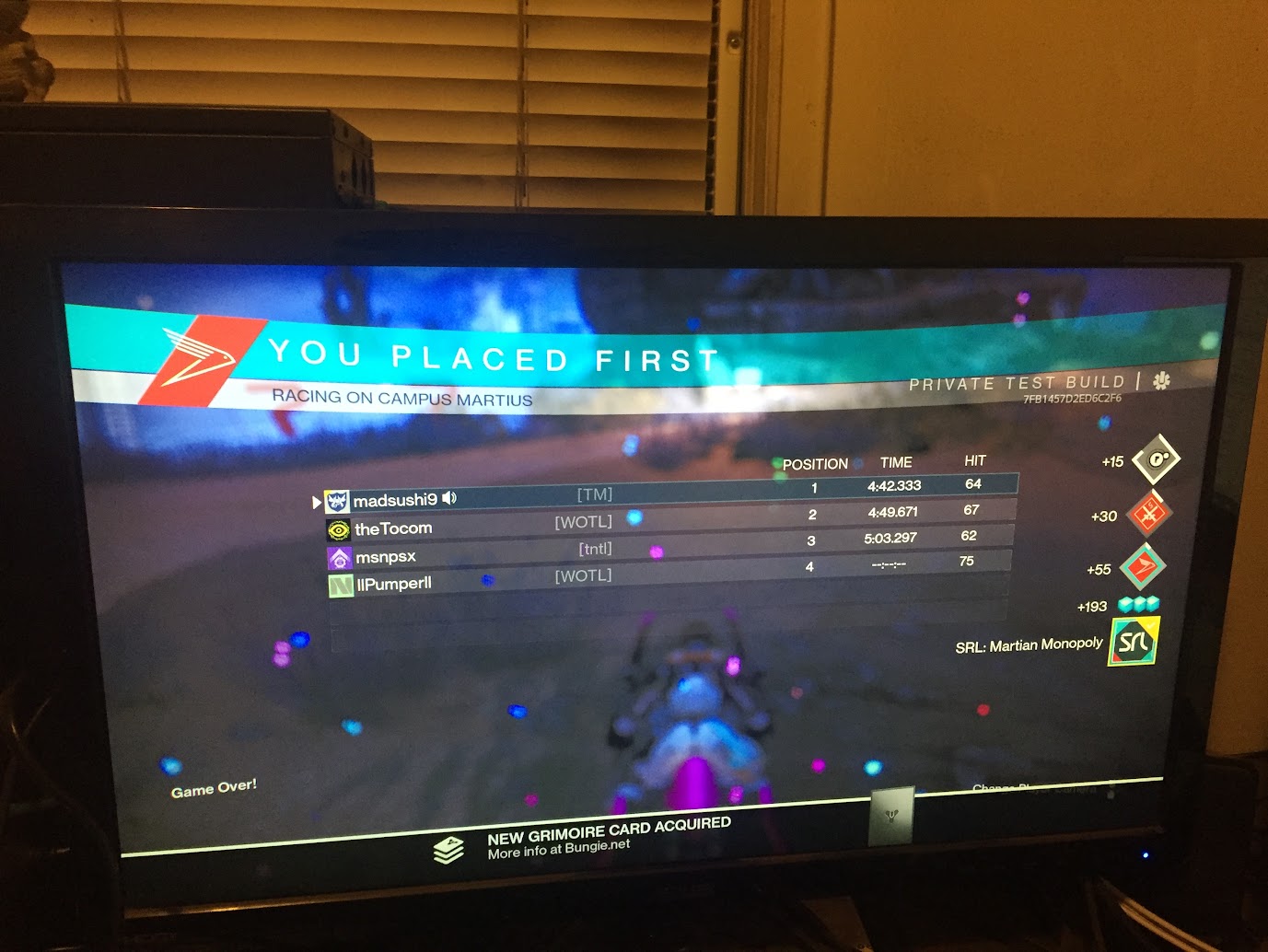 > S. R. L.
Everybody drops
Bungie was my first job in games. Shortly after joining, I received an email invitation for my first studio-wide all-day playtest. What I learned was that much like Starship Troopers where “Everybody drops”, for a studio playtest, Everybody plays. It wasn’t just the designers or artists, but accounting and HR and IT and engineering and every other discipline, all taking the day to queue up and give the new content a spin. We needed feedback from everybody to make a good game, and so folks of all skill levels and with or without gaming experience were encouraged to play.
Sage, who was the head of sandbox design at the time, said that if we were to sell 10MM copies, then each of us roughly 400 employees was representing 25,000 fans as our constituents. Just like any elected representative, we should do our best to give them a voice. If we thought something was too hard or too easy or too confusing, there’d be 25,000 of them feeling the same way, so we should speak up and share whatever feedback we had.
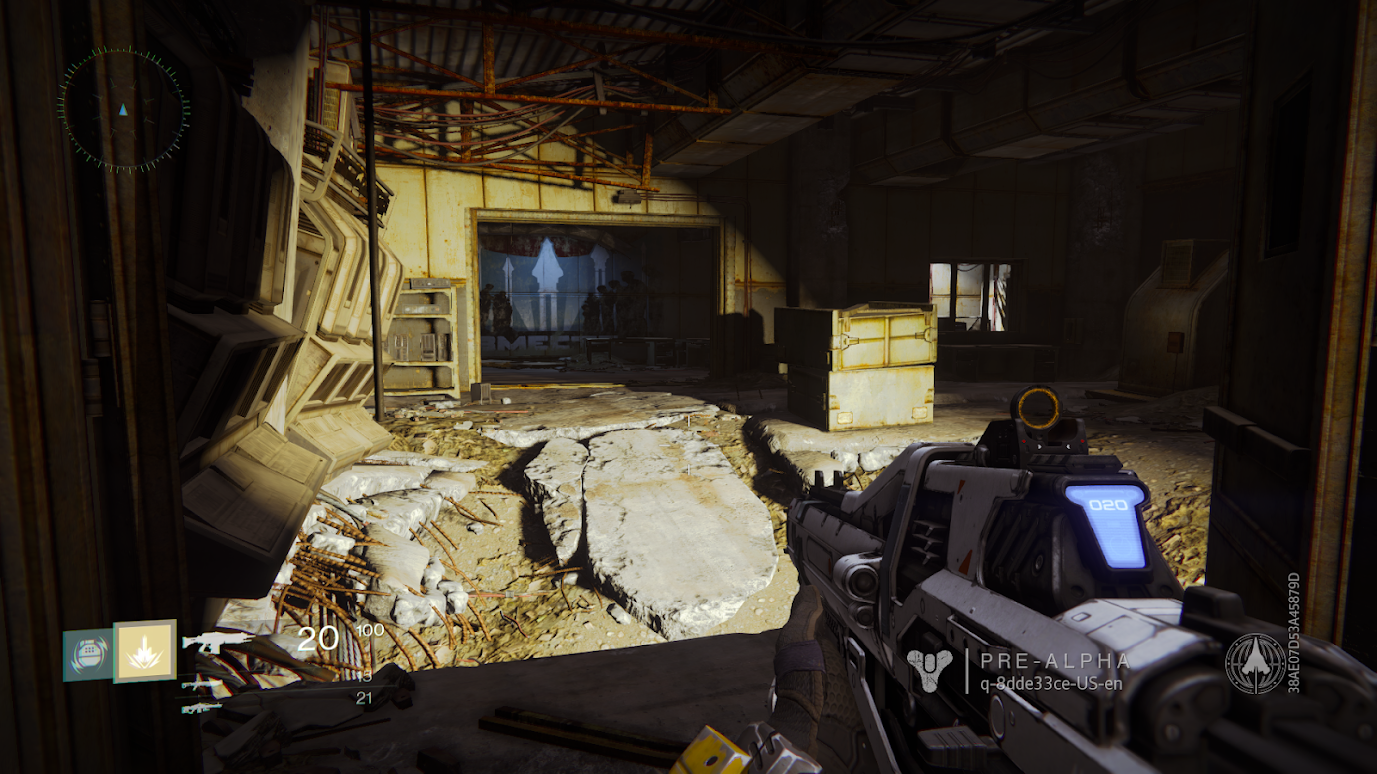 > Pre-alpha screenshot, 2014
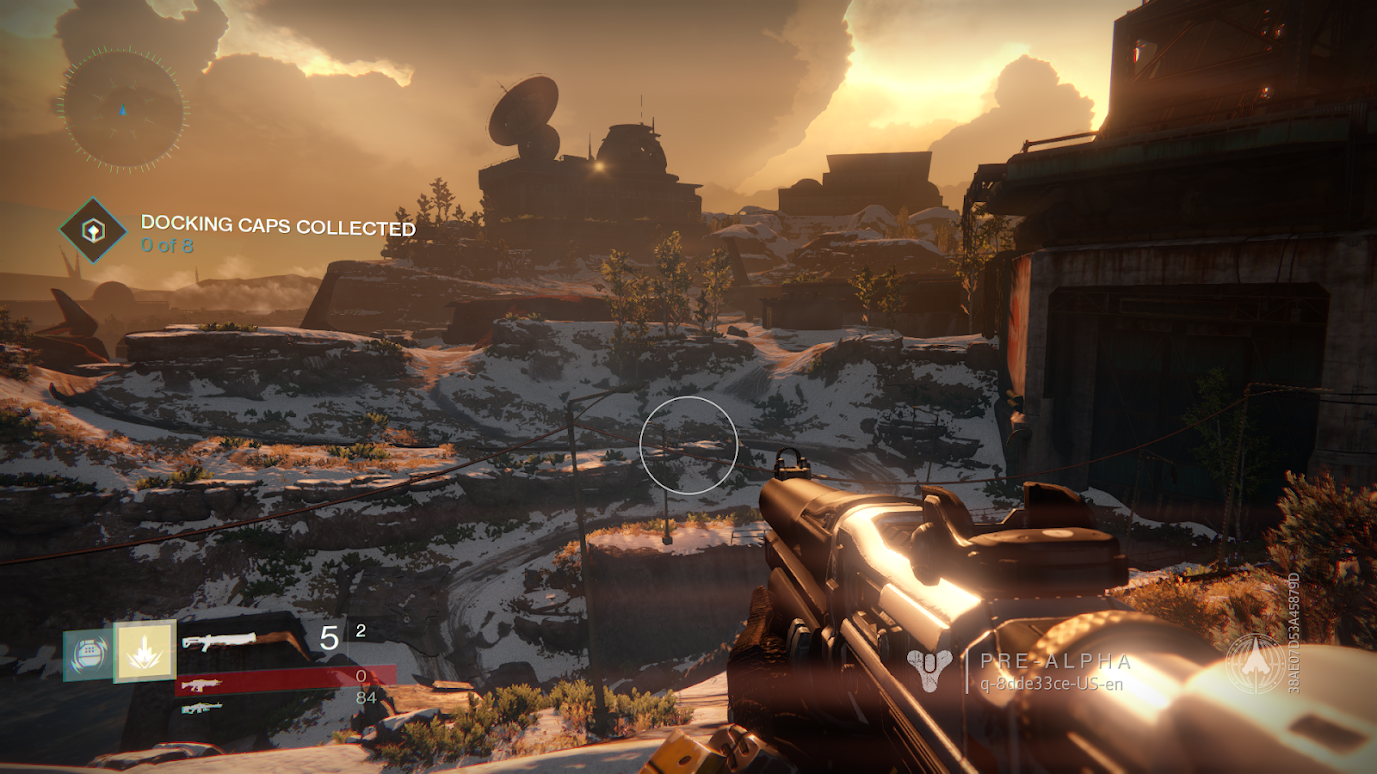
I’ve raided with hundreds of folks at Bungie over the years, from the top to the bottom of the org chart, across every level of skill and marksmanship. When Everybody plays, the game is better. I was able to recruit multiple former coworkers and friends to come join me in working on Destiny, because you could see how good the game was.
We knew that Bungie folks would be extremely busy during Destiny’s launch, since no game survives first contact with players. At the same time, we also all wanted to be playing the game ourselves. The solution that we came up with solved both issues: Bungie employees would get access to the launch build about a week early. We could do some basic character creation and leveling together, smoke out any last-minute bugs, and then leave our Guardians idle for the week of launch while we were firefighting.
Unfortunately for me, the week of preparation before launch was just as crazy as the one after. I was flying back and forth to the datacenter, and applying every kind of duct tape I could muster to our infrastructure. Thankfully, my wife knows her way around a Bungie shooter, and helped level my Guardians so I wouldn’t be too far behind when I picked up my controller the following Saturday.
Guardians make their own fate
In Destiny’s development days, there was a skunkworks team building something in secret. This small team had the largest conference room in the office allocated to their endeavor. Behind those closed doors, who knew what was cooking?
A few folks at the office knew that I was an experienced WoW player. By that virtue, I was invited for a private, but voluntary, weekend playtest. There is nothing on earth that could have stopped me from being at that playtest.
In that closed conference room, I saw an early look at the Vault of Glass. Six of us, completely blind, experiencing a “raid” in an FPS for the first time ever. It was like nothing I’d ever seen before; even as I tried to contextualize it in MMO concepts, it defied those boundaries. I was sworn to secrecy, but I had so many thoughts, that night I emailed several thousand words of my impressions and feedback and ideas and rambling to Luke, the design lead. While I knew Destiny was special from the day I saw that first trailer, I couldn’t stop thinking about the Vault for months.
The RAD team, as it would come to be known in the future, held my rapt attention for years. I have so many fond memories of every fireteam I’ve raided with, every 24-hour emblem and jacket obtained, and the chance to put my Destiny skills to the test. There’s a lot to love in Destiny, but raids and dungeons were the content that kept me 100% engaged for years. I believe that the difficulty of those first raid weekends, and overcoming those challenges, were so many among Destiny’s absolute finest hours.
For the handful of folks that took raiding the most seriously, we would meet every six months or so for a Jacket Lunch at the fancy El Gaucho restaurant in Bellevue. To be invited, you had to have a Last Wish raid jacket, which were quite scarce as few teams beat Riven in time. It felt like being in a biker gang, or maybe a sparrow gang, as we all sat around the table with our big puffy black jackets equipped.
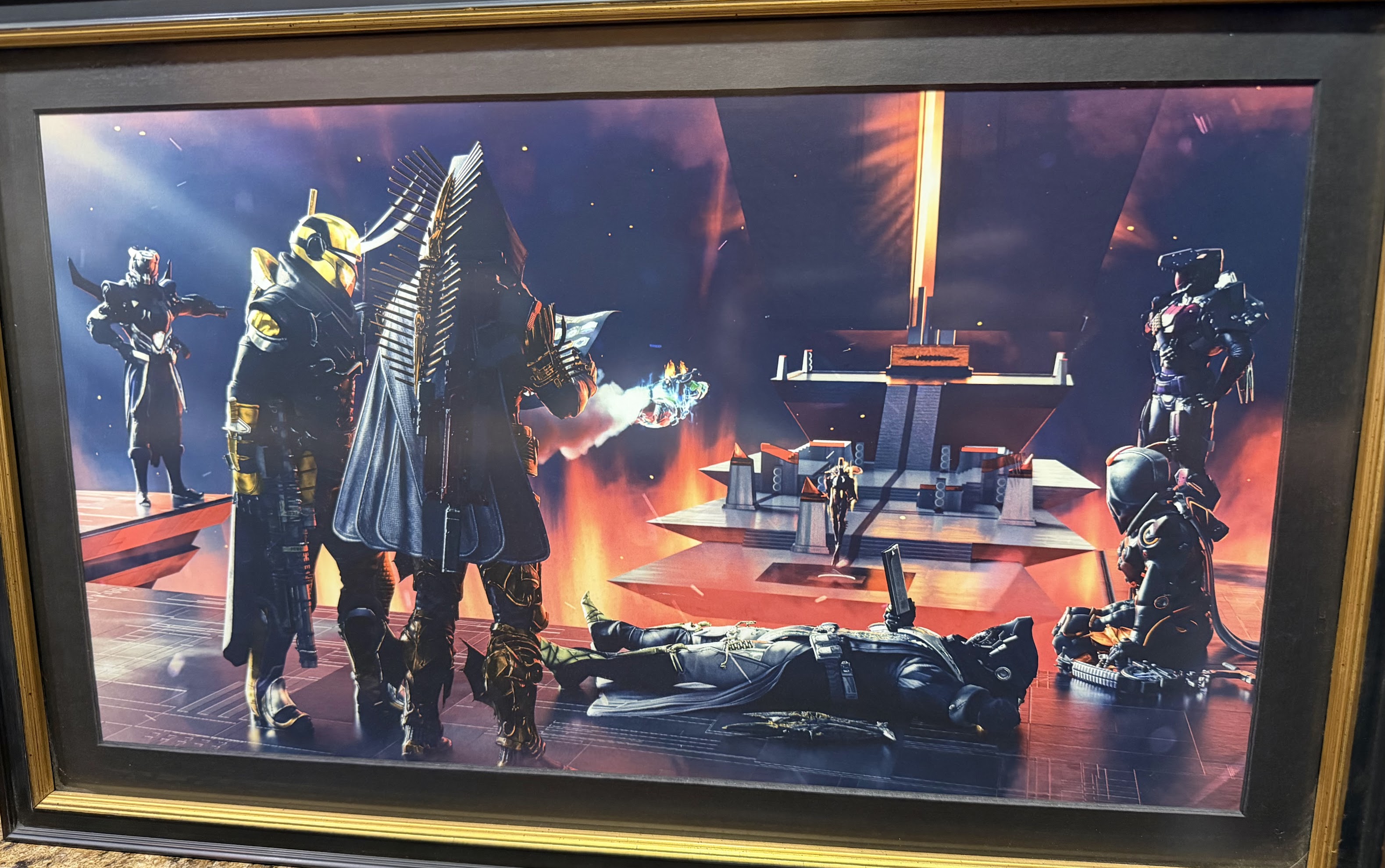 > A commissioned painting of my raid team
Creative use of game mechanics
In February 2014, I participated in my first Pentathlon, which is an internal Bungie day of gaming and competition. In the run-up to the event, I had volunteered to be my team’s lieutenant for a Destiny activity that was called “Progression”. The investment design team had just implemented their first end-to-end pass at the leveling, gear, and reputation components of the overall progression system, and wanted the teams to stress-test their design. It was one simple question: who can level and gear up the fastest? Everybody would queue up with new characters in the same shared build, and we’d see who had the highest levels when the closing bell rang.
I came up with a [REDACTED] strategy, directly recruited/conscripted folks from applicable departments to join my roster, and we practiced our strategy dozens of times between the holiday break and the event. When the day came, we rocketed to the top of the charts, displayed on a big rolling TV in the cafe, and had nearly a dozen folks at level 28 before the end of the event.
There were allegations of cheating and unfair play, but the exalted Pentathlon committee deemed everything above board, and my team (Middle School that year) won our first Pentathlon. My cohort of folks (those who joined around me in 2013) continued on to win many more Pentathlons, as we had a passion for playing Destiny and a fierce competitiveness to be the best. In fact, I helmed Middle School the next year as the Team Captain, and we won the most lopsided Pentathlon in years.
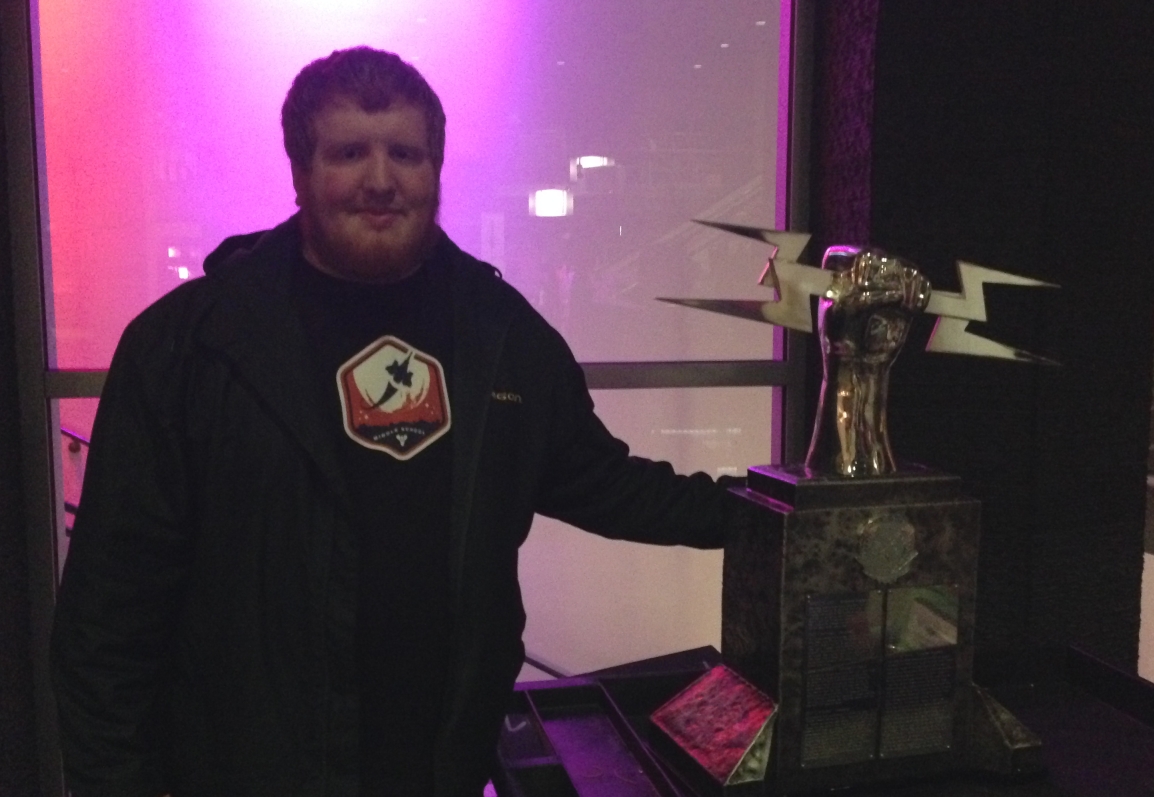 > Pentathlon trophy, 2014
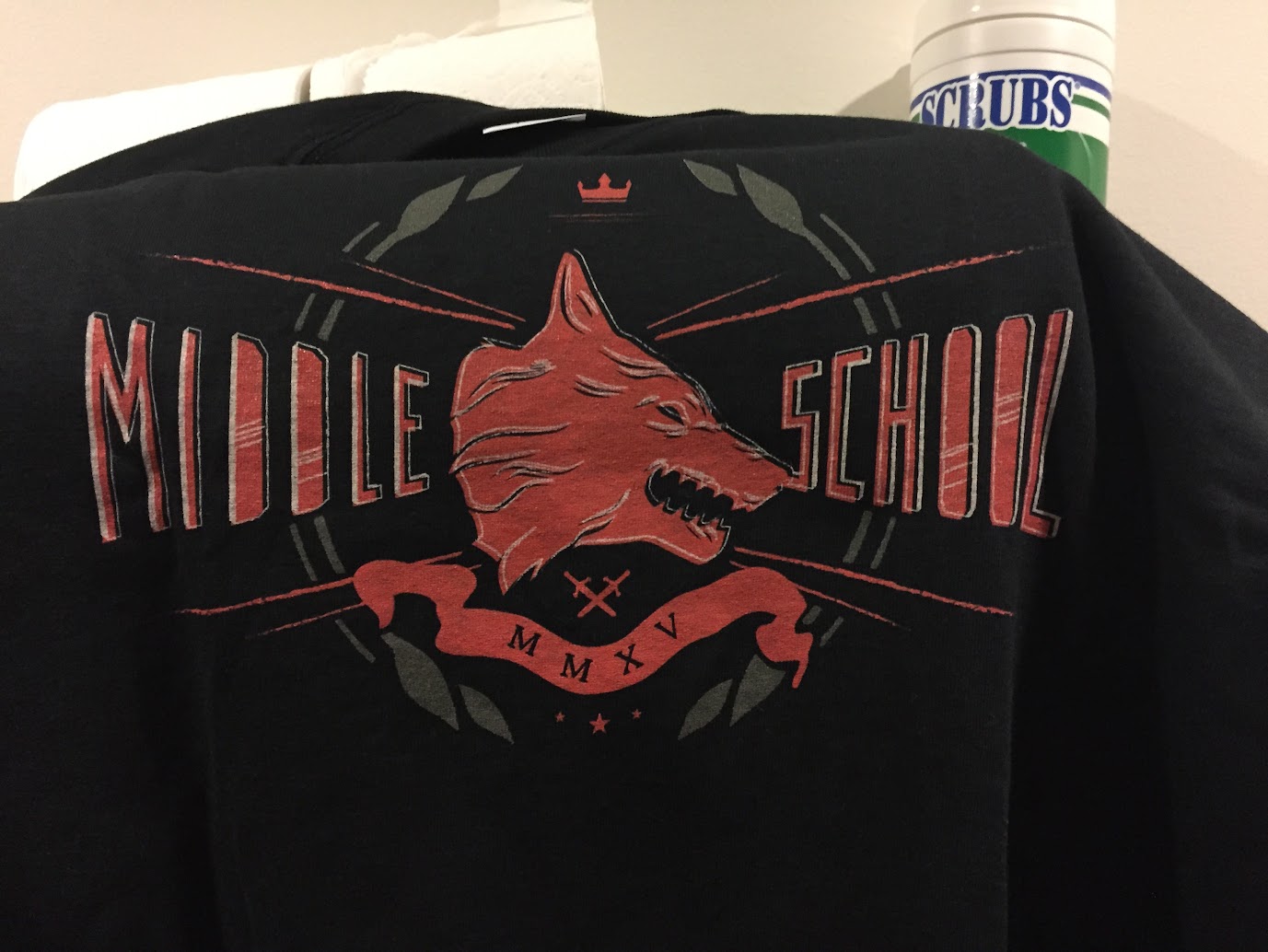 > Pentathlon t-shirt design, thanks to Matt, 2015
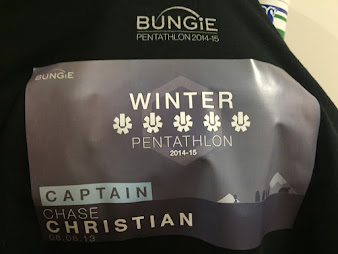
> Pentathlon captain’s shirt, 2015
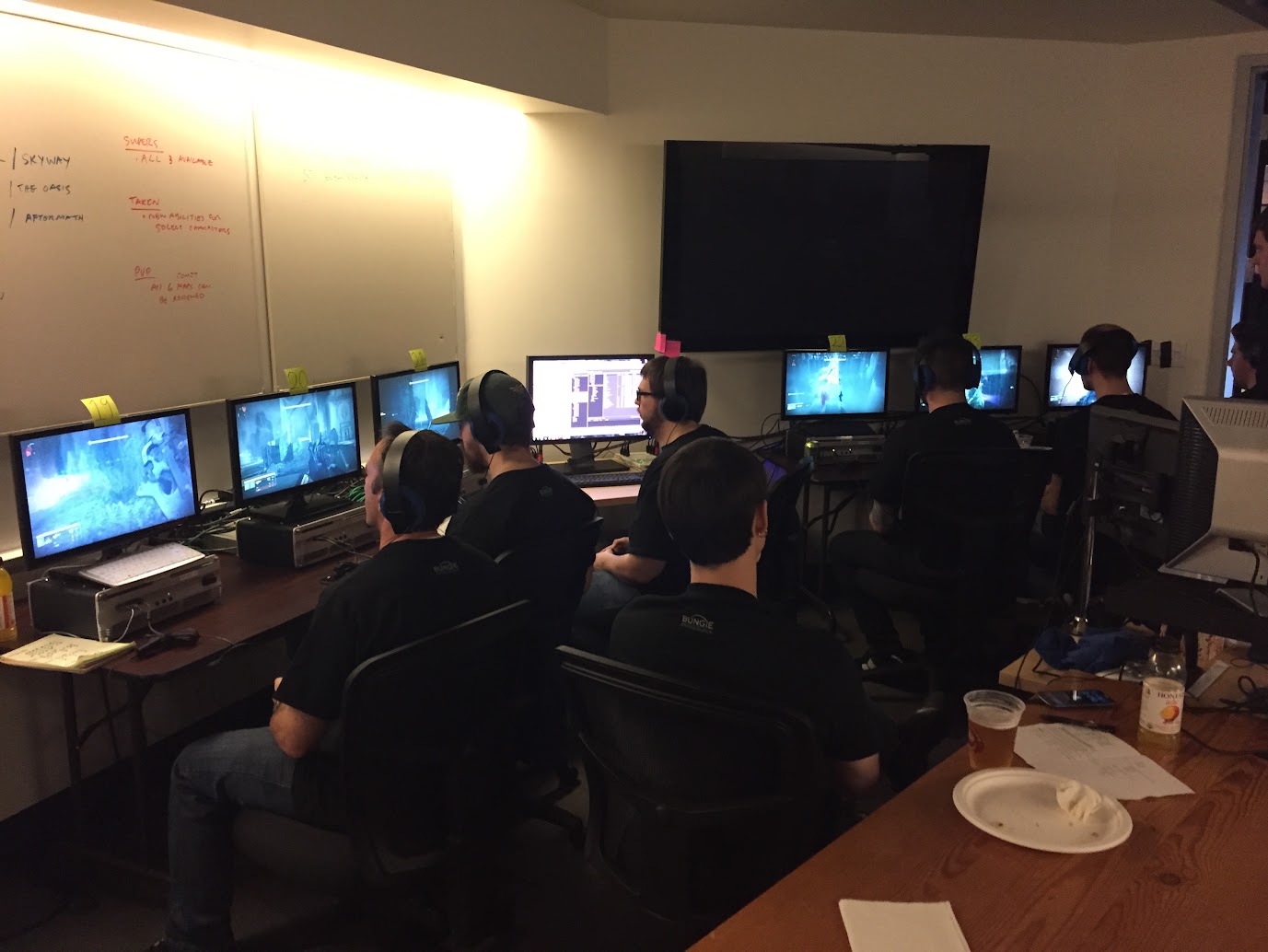 > Pentathlon raid team, 2015
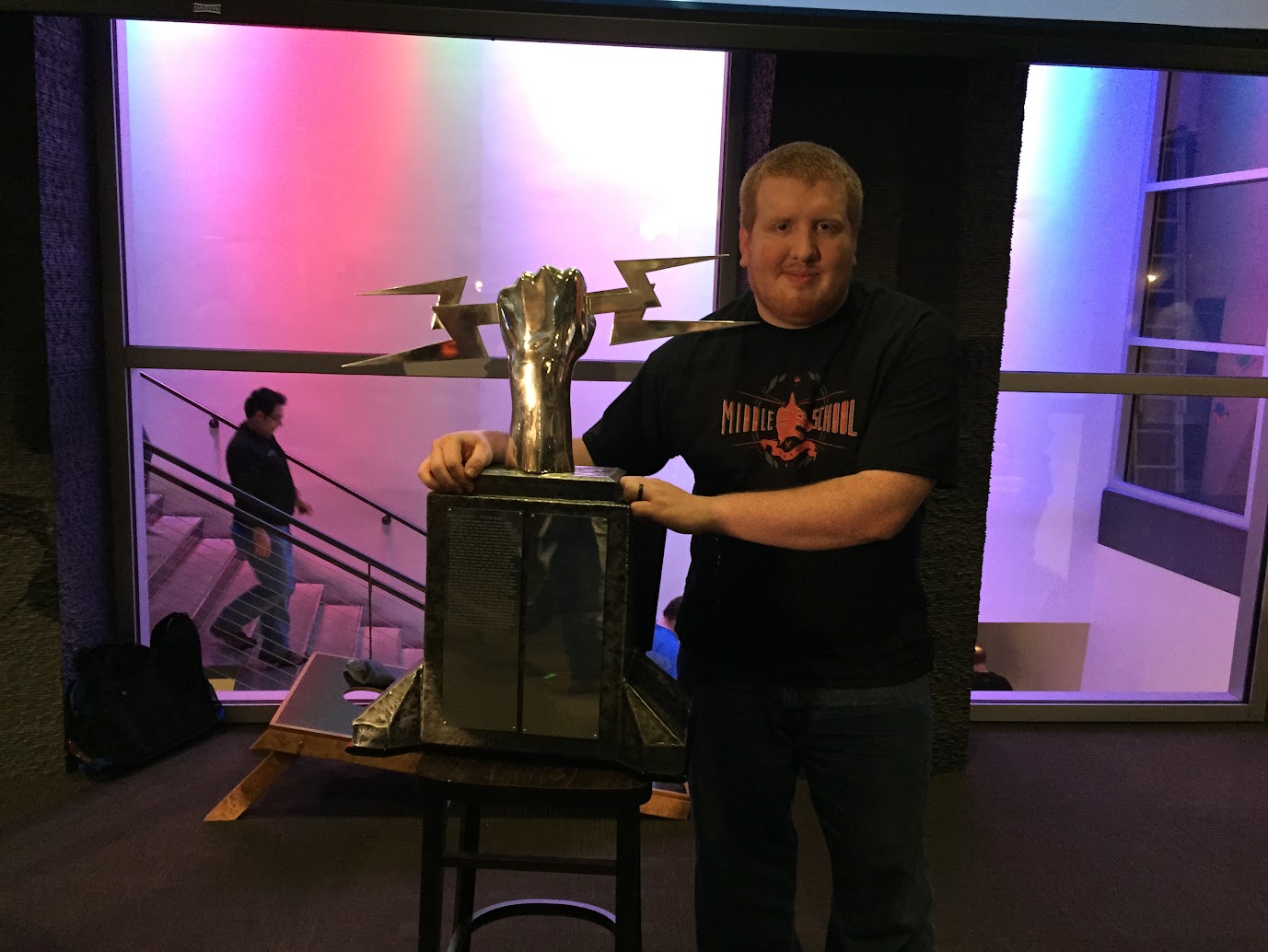 > Pentathlon trophy, 2015
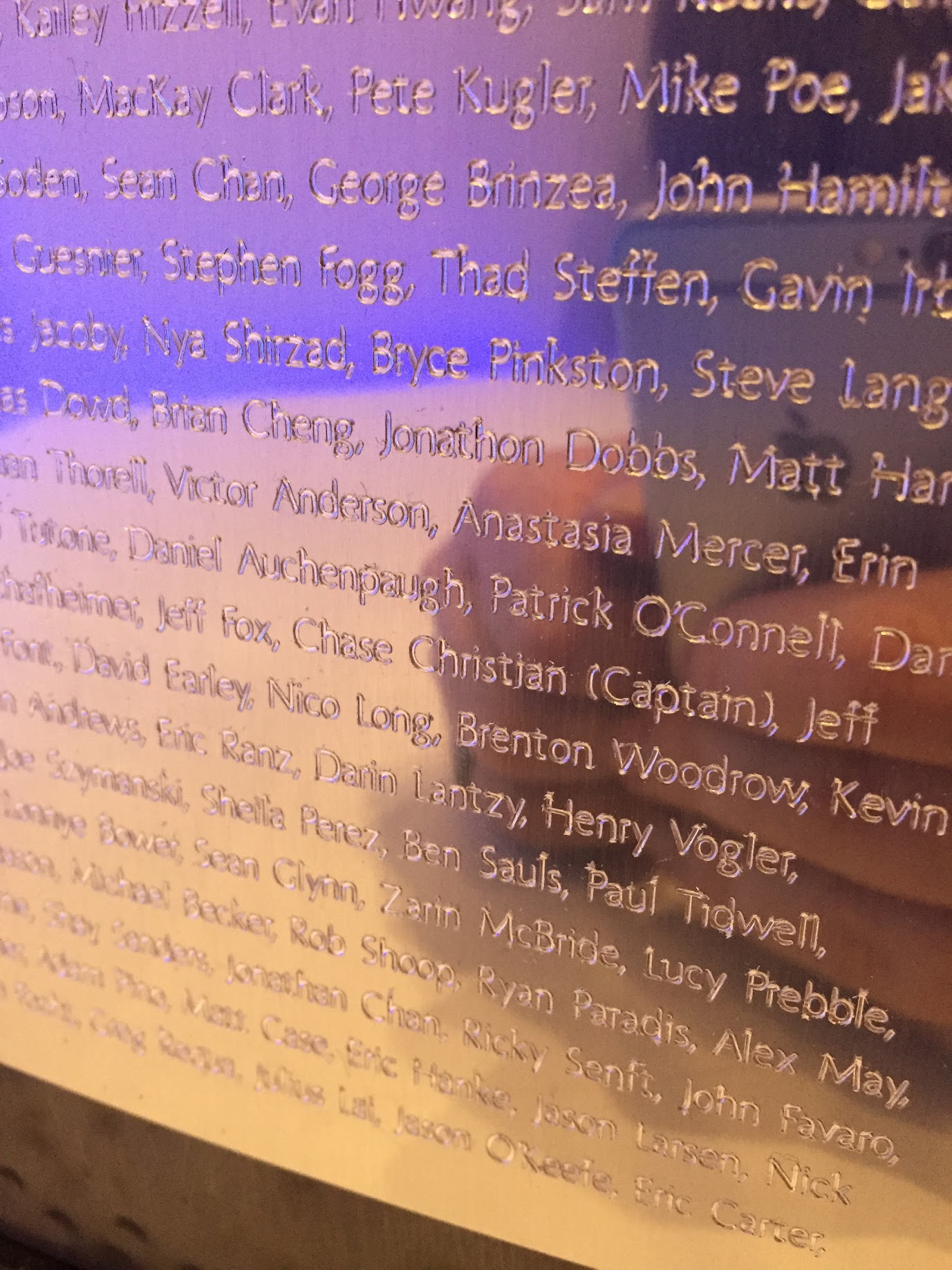 > Pentathlon etched trophy, 2015
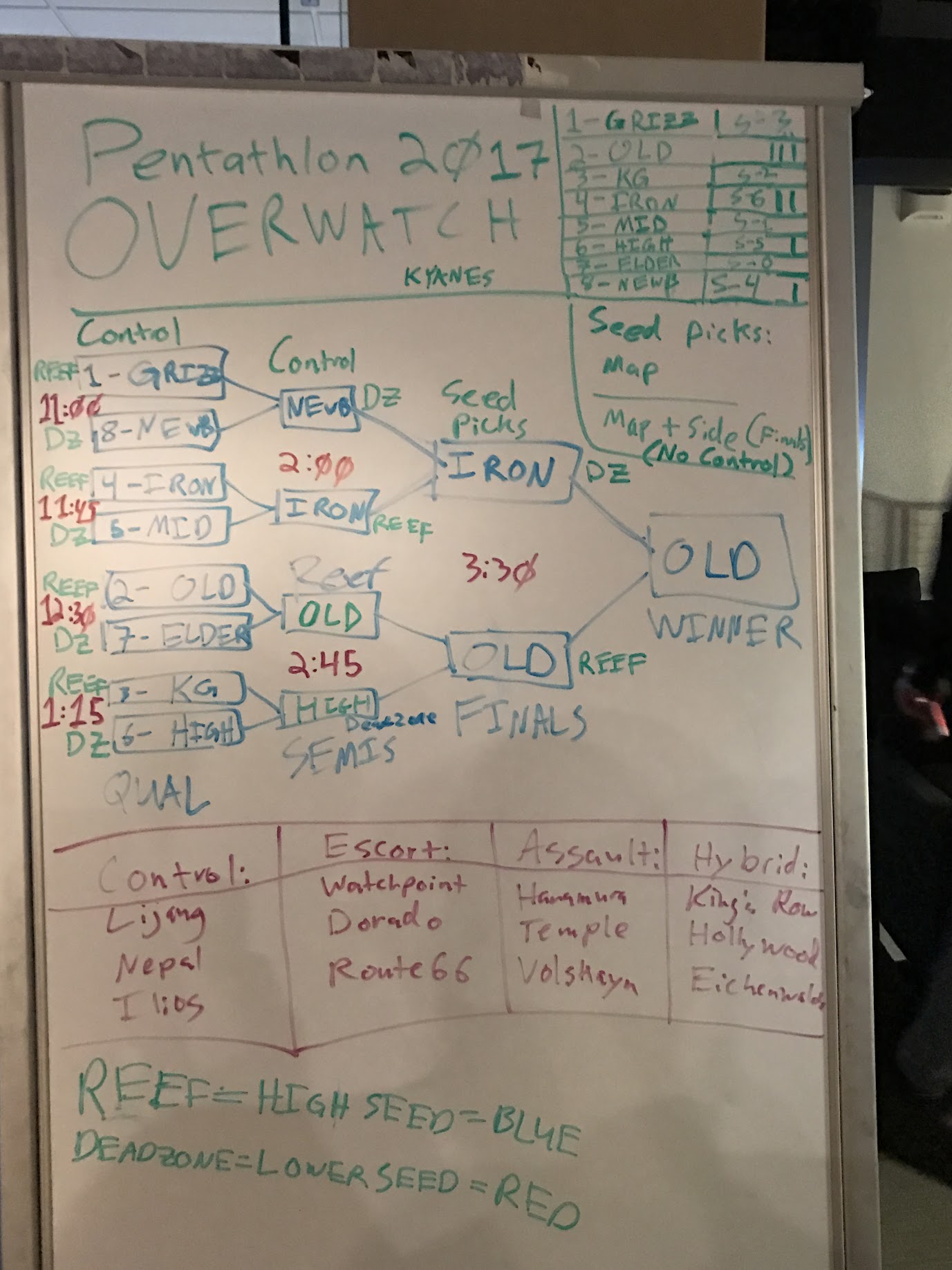 > Pentathlon whiteboard for the Overwatch event, 2017
Dangerously cheesy
Two folks on my team at Bungie, Dave and Brandon, became the hunter and warlock to complete my first fireteam. Each of us was a fan of Destiny, and we played together on both internal builds and the retail game. We learned to complement each other and our fireteam became one of the strongest at the company. We regularly volunteered for internal playtests of new endgame content, in order to give feedback and to help balance things properly.
During the development of House of Wolves, we often helped test the Prison of Elders activity, and became the first internal team to defeat Skolas. Around that time, we learned of a team of QA folks who were affectionately named Team Velveeta, because they were tasked with “finding the cheese” before content was put in front of players.
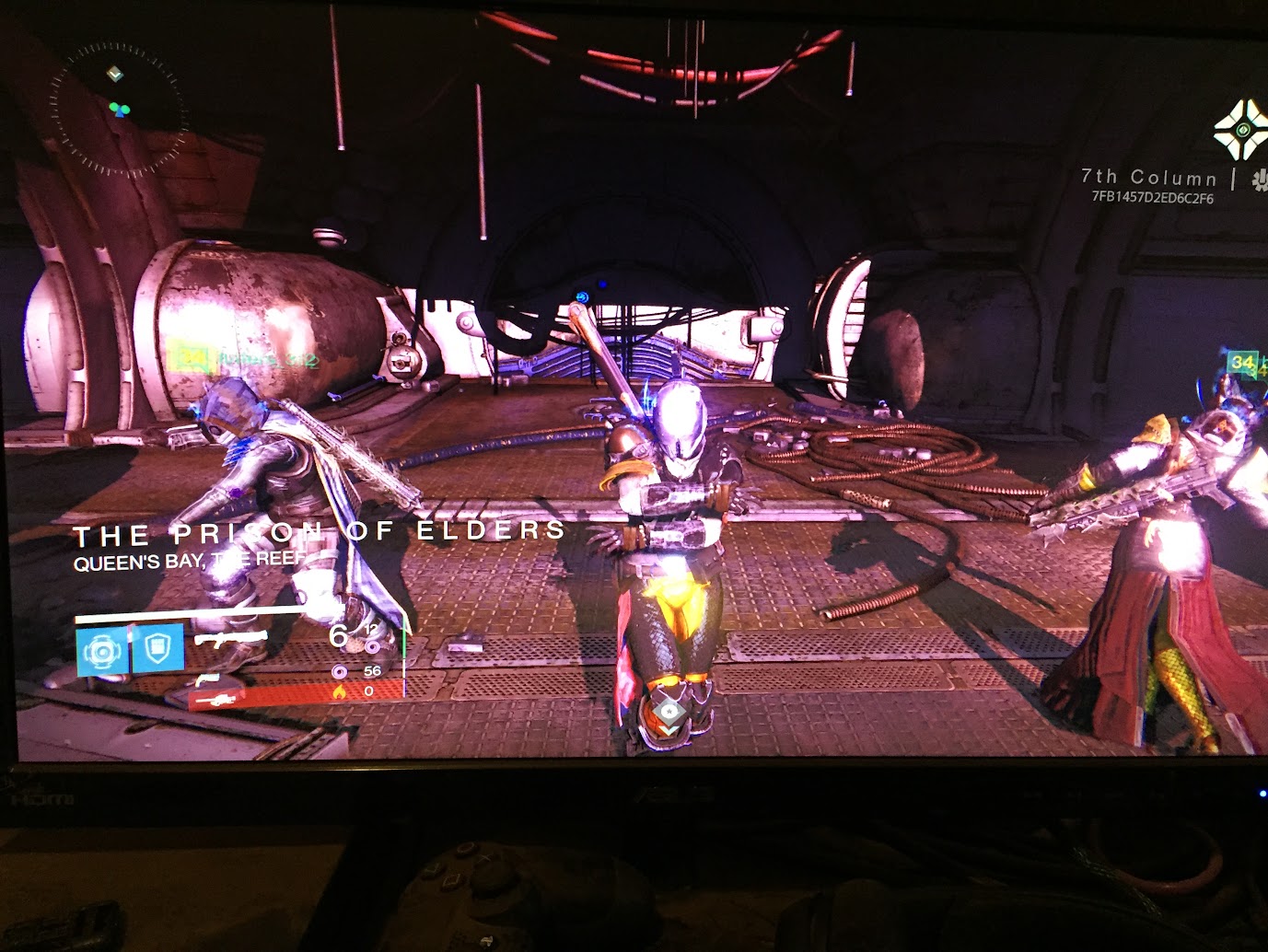 > The first to defeat Skolas internally
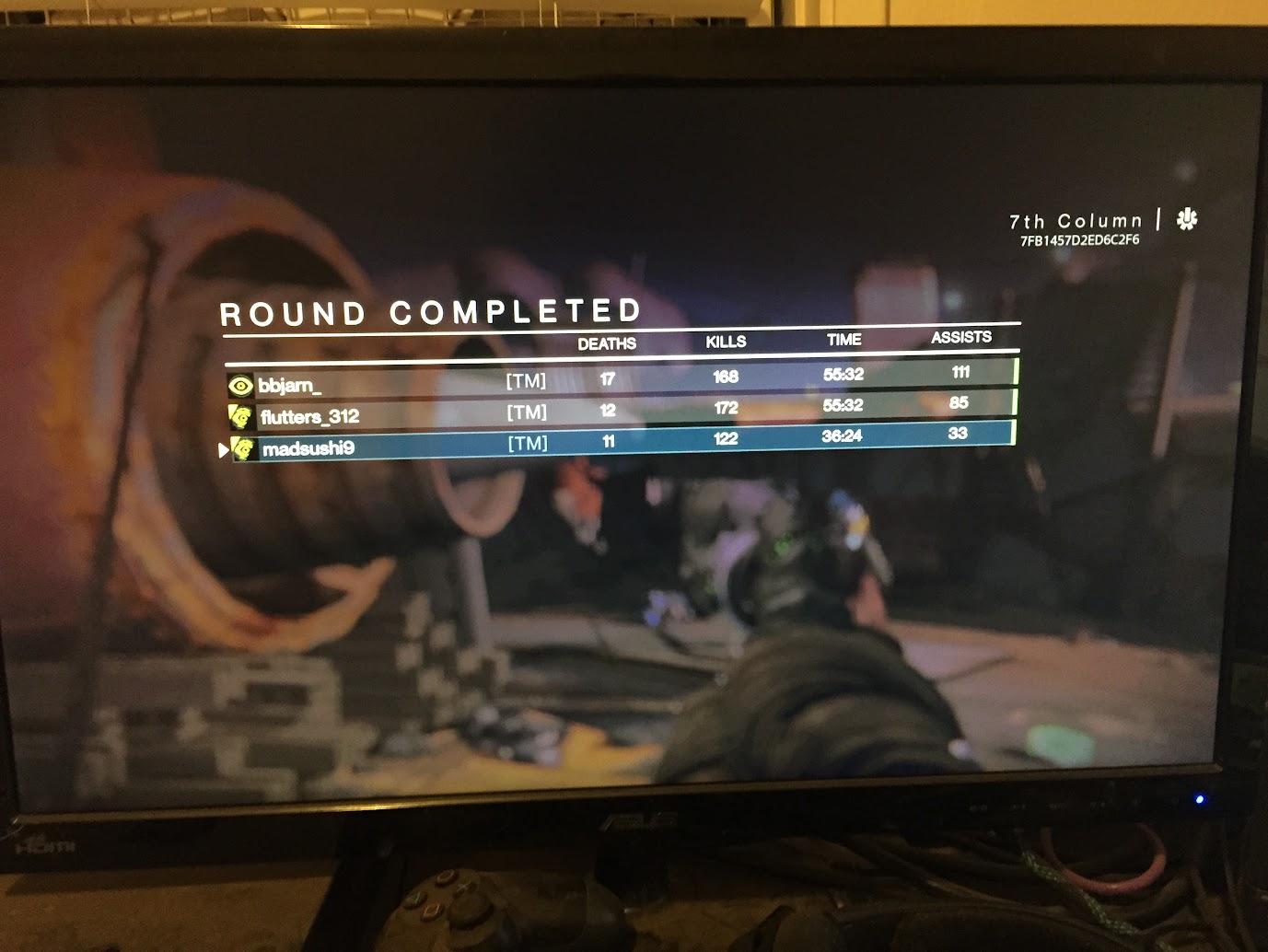
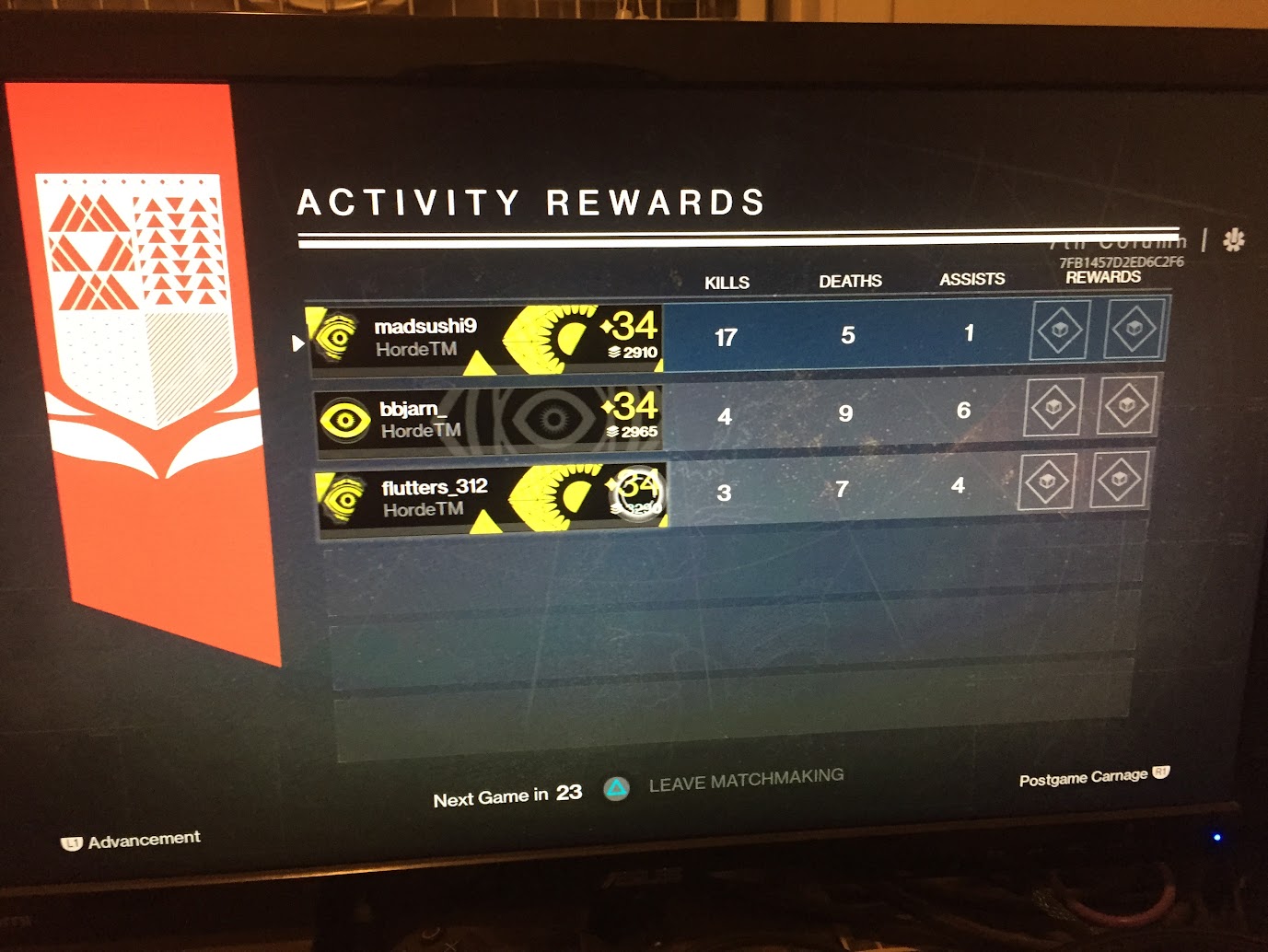
With The Taken King and the Dreadnaught launching that fall, there was more new endgame content being added than ever before. My fireteam was invited to be a new flavor of Team Velveeta, since we were not directly involved in making the content (like QA or design or art or others), we could approach it “blind” and offer unvarnished feedback. We accepted, and from that point forward, I personally participated in Velveeta playtests of every single raid released during my tenure.
We would often start with the greybox versions of individual encounters, while the folks building it would watch over our shoulders and replay our recordings, to see how we’d approached the challenge or if some mechanic was discoverable or how fast or slow various enemies melted under our firepower. As the raid was developed, we’d shift our focus more to testing for polish or exploits, culminating with hopefully-final tuning vs the expected sandbox meta of that future day. Twice a week, every week, we’d lend our guns and our fists towards making the raids hopefully just a little better from our contributions.
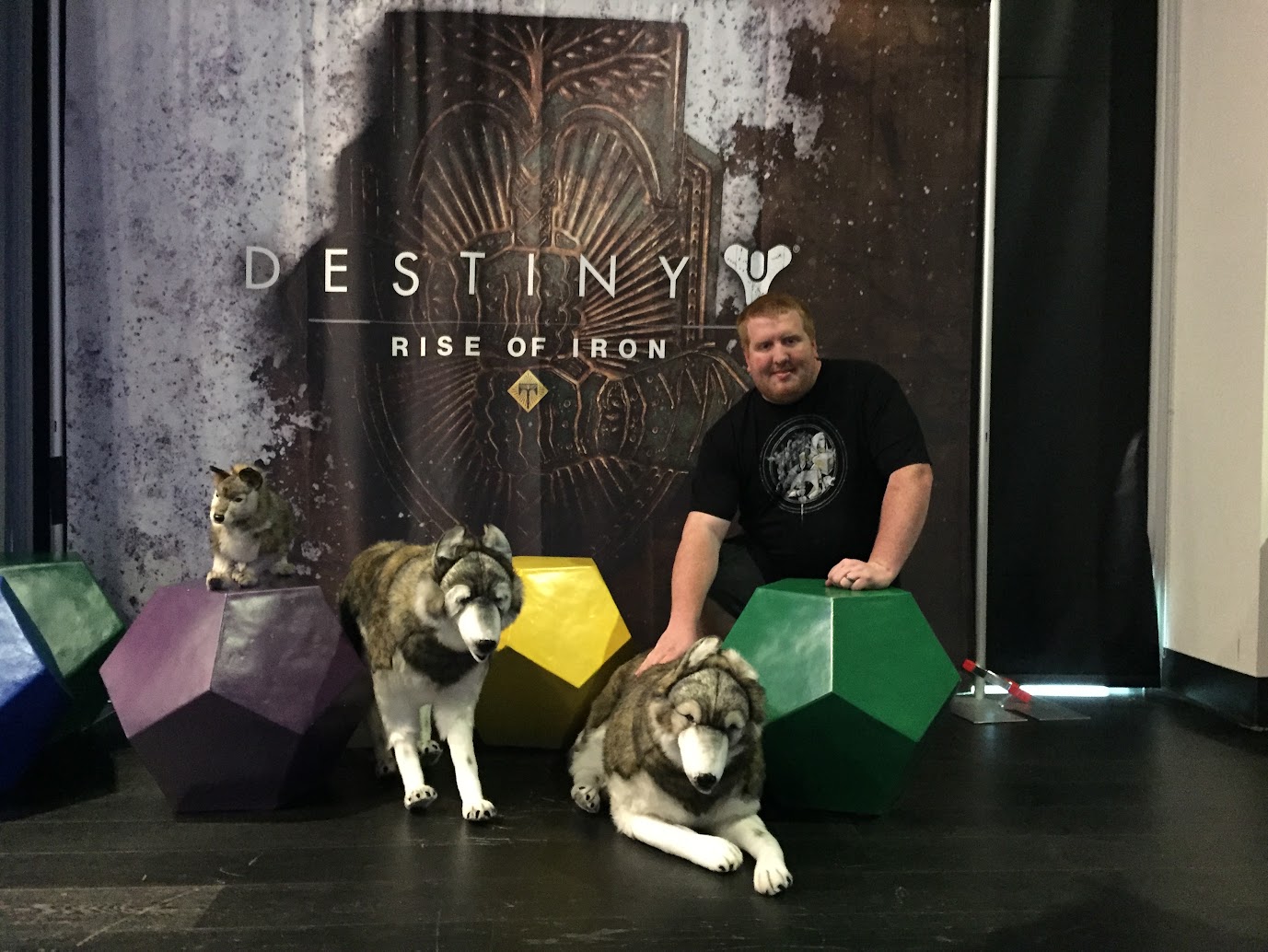 > Hanging with the Rise of Iron wolves, 2016
The RAD team had a release day tradition of gathering together to watch streams of players attempt their world’s first runs of new content. We were invited to sit with them, in the Bungie office theater, and share in the excitement and pride as the public pushed through the challenges laid before them. No matter how good we thought we were internally, our players on the outside were always better/faster/stronger. The RAD team’s goal was always to create content that elevated our players and their stories, not the RAD team themselves.
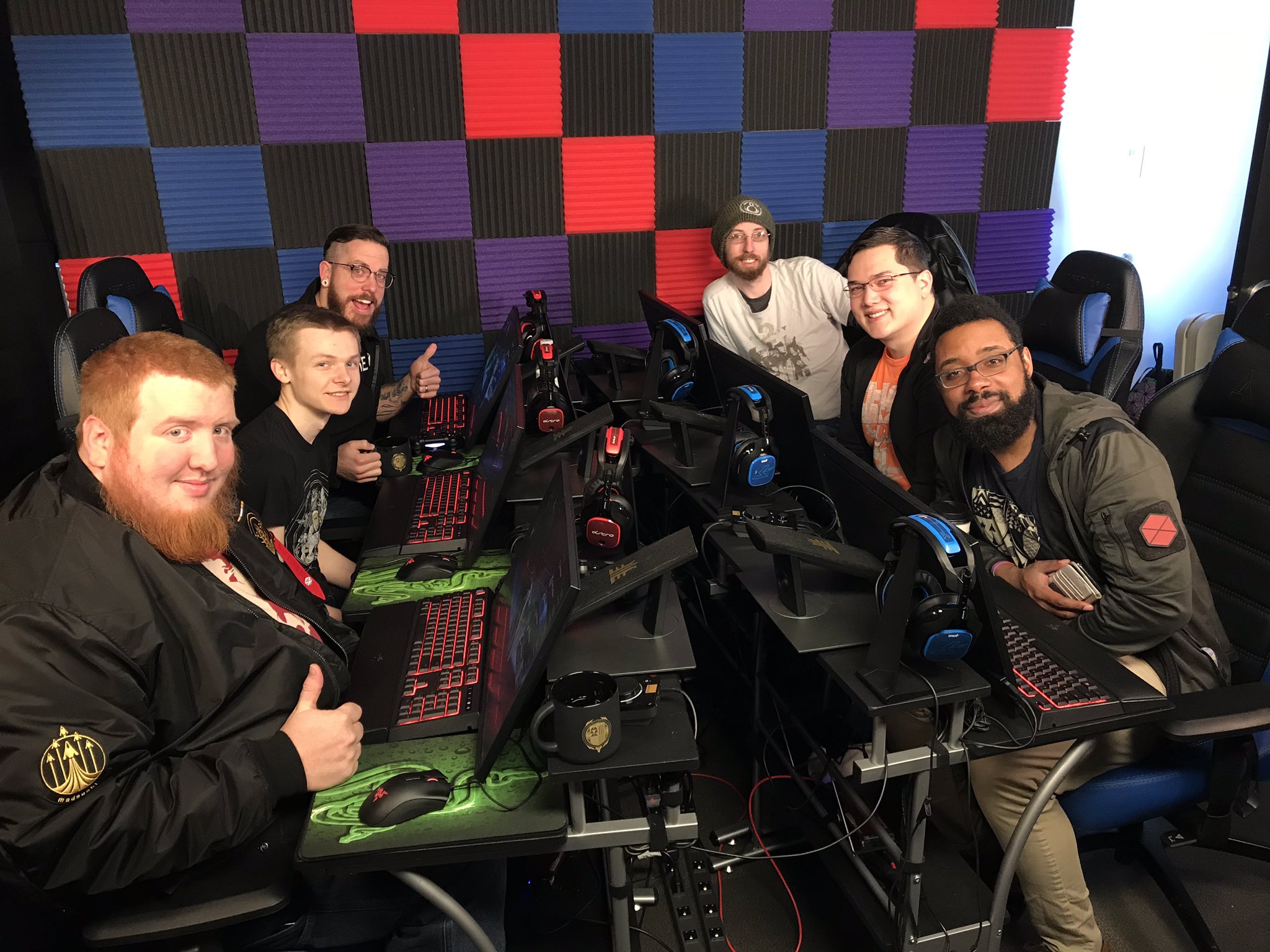
As our cheesy team continued to develop, we had the opportunity to participate in a variety of other Destiny events. The team helped support our “raid-along” streams, where the RAD team folks would share their experiences and influences making the content. We’d play through the content in real-time in the background, making sure to make them look good by showcasing the encounter’s features. Scott, the head of streaming and events, told us to think of ourselves as a half-dozen skilled camera operators . We also provided fireteam support for VIP events, including getting to run Wrath of the Machine with my Destiny hero, Lance Reddick .
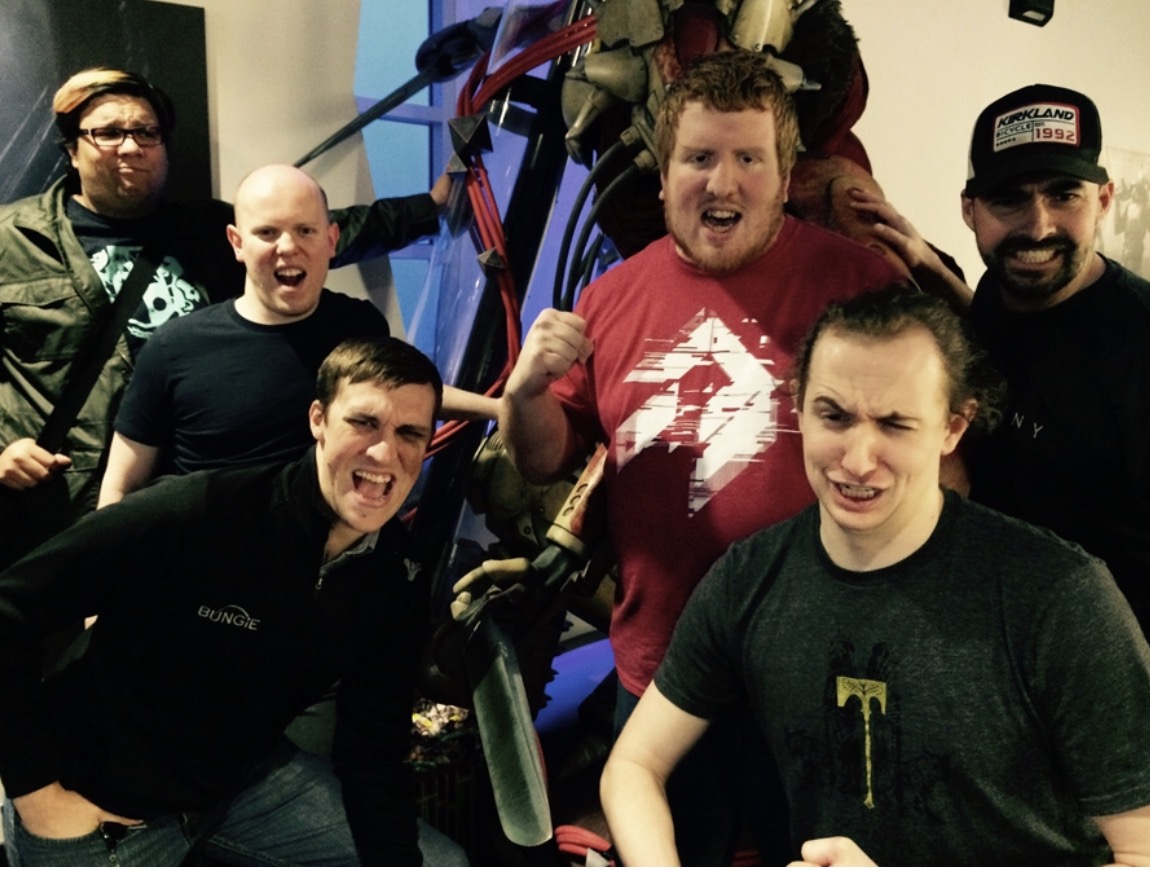 > The team after a raid-along for Wrath of the Machine, 2016
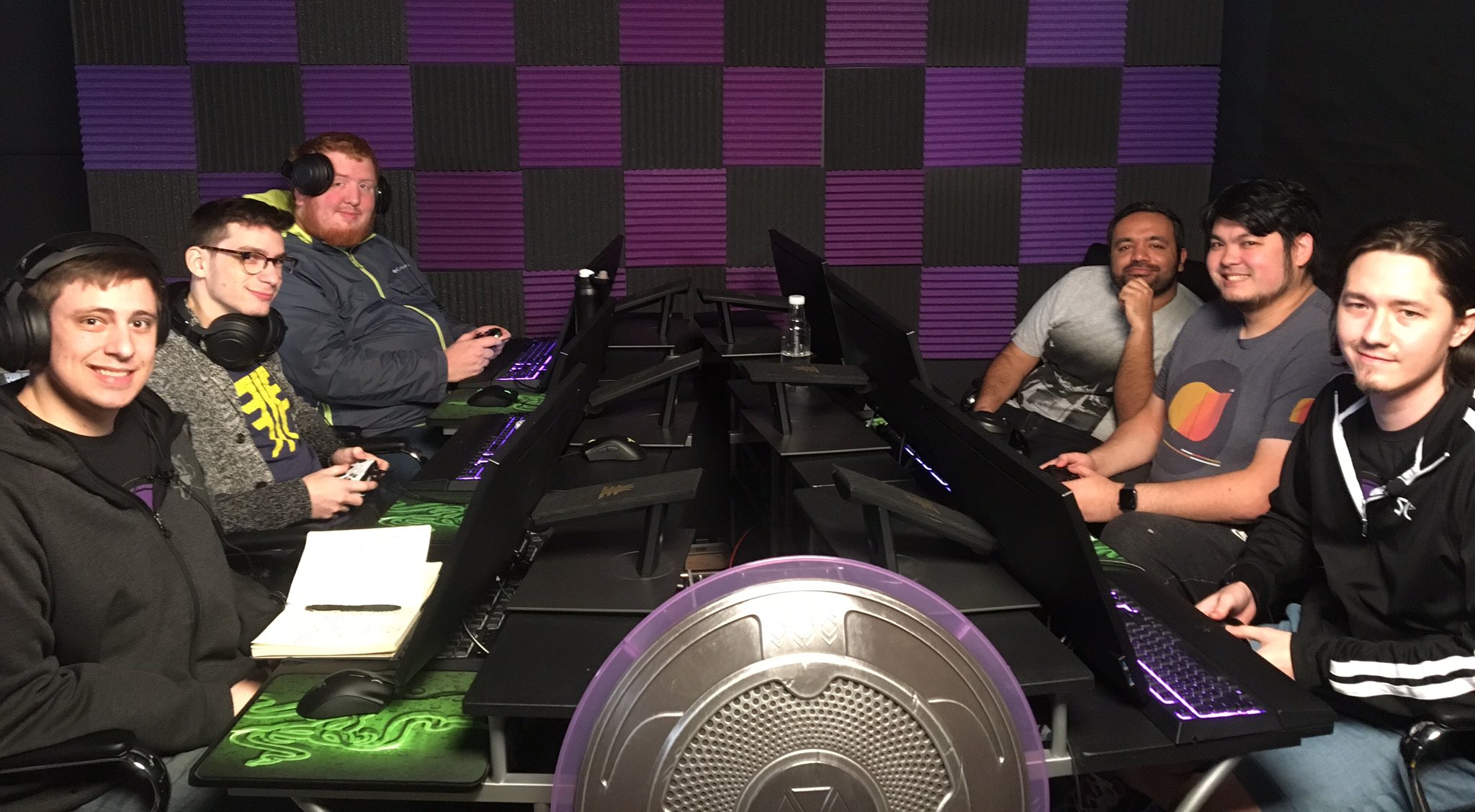 > Raid-along for Last Wish, 2018
 > Raid-along for Scourge of the Past, 2019
We took the game seriously, too. When we were building Forsaken, we knew we needed the player experience to be perfect. A small group of folks, Velveeta included, put aside our normal duties for two weeks. We were sequestered in that same large conference room that had once held the original VoG team. We affectionately called the project “Cayde2Raid”, because we were testing from the moment Cayde-6 was shot at the end of the campaign, all the way to entering the front door of Last Wish. We replayed this section of Forsaken’s endgame multiple, multiple times over those two weeks.
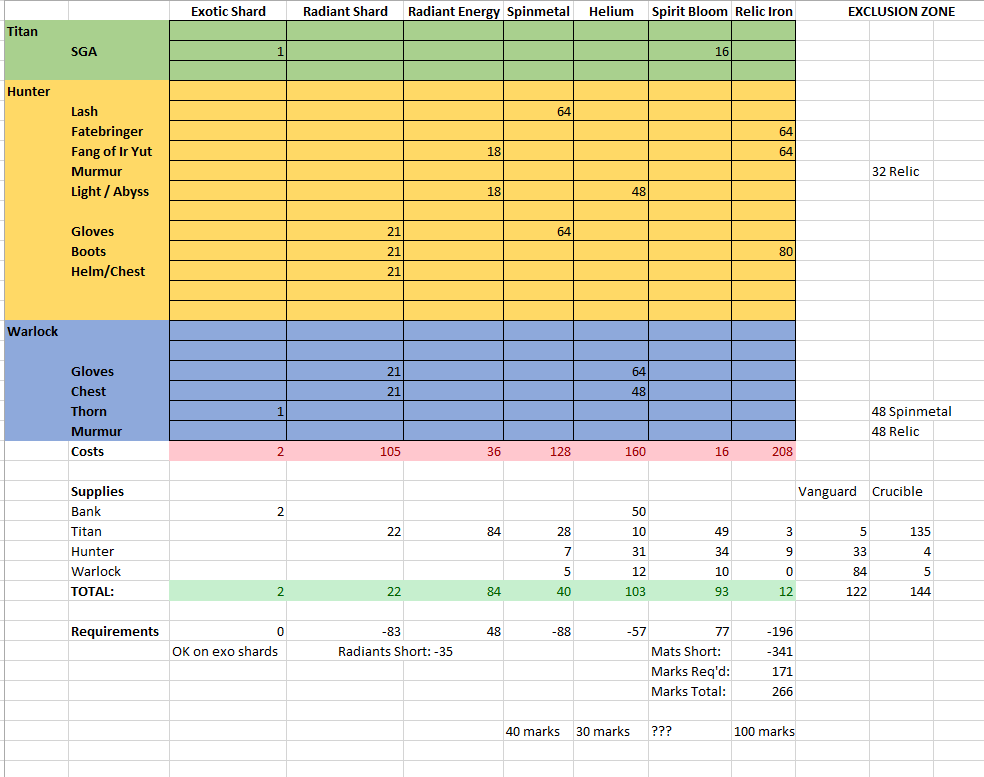
Team leads from areas like investment/progression and sandbox would meet with us daily to review our notes and tweak the next day’s build. One of the lead investment designers, Nick, rebuilt the experience curve for the intro to Forsaken at least three times in the first week. We completed strikes, Crucible and Gambit matches, public events, you name it, to replicate the real experience. I even made a “powerful sources” spreadsheet in Excel and sent it around the team, so we could optimize our leveling progress, the way that our top players would.
 > Upgrade material spreadsheet, 2015
The project was a big success. The design team was able to tune things into a beautiful harmony, and we found so many bugs that only pop up under real play conditions. We repeated the process for every expansion afterwards, with Sleep2Keep, Chalice2Calus, etc. While taking a dozen (or more) folks offline for two weeks every year for playtesting may sound excessive, that’s the kind of polish and detail we wanted to have for every release.
Game shows
 > Line for the Destiny booth at Gamescom, 2017
 > Booth layout at Gamescom, 2017
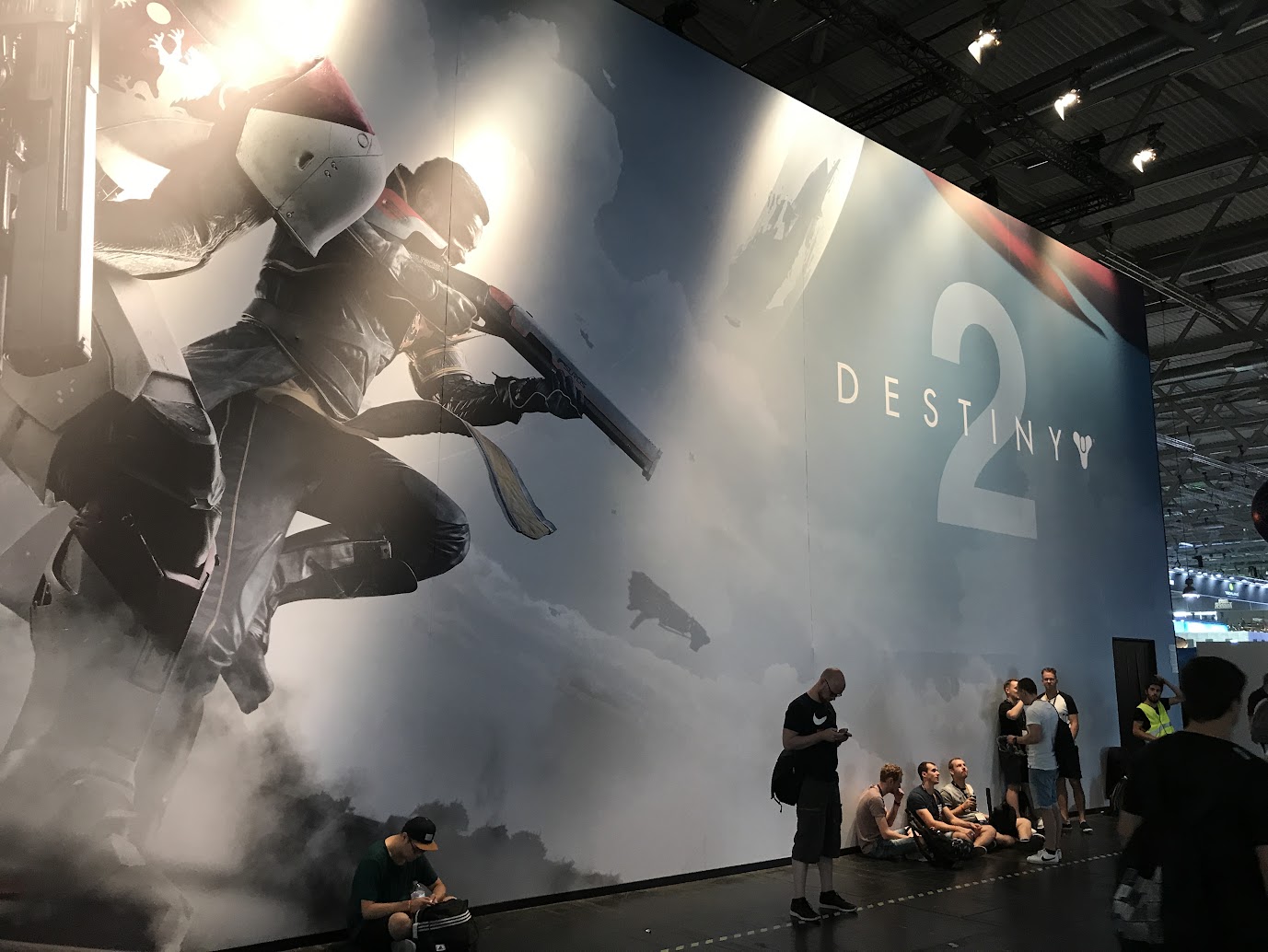 > Destiny Mural at Gamescom, 2017
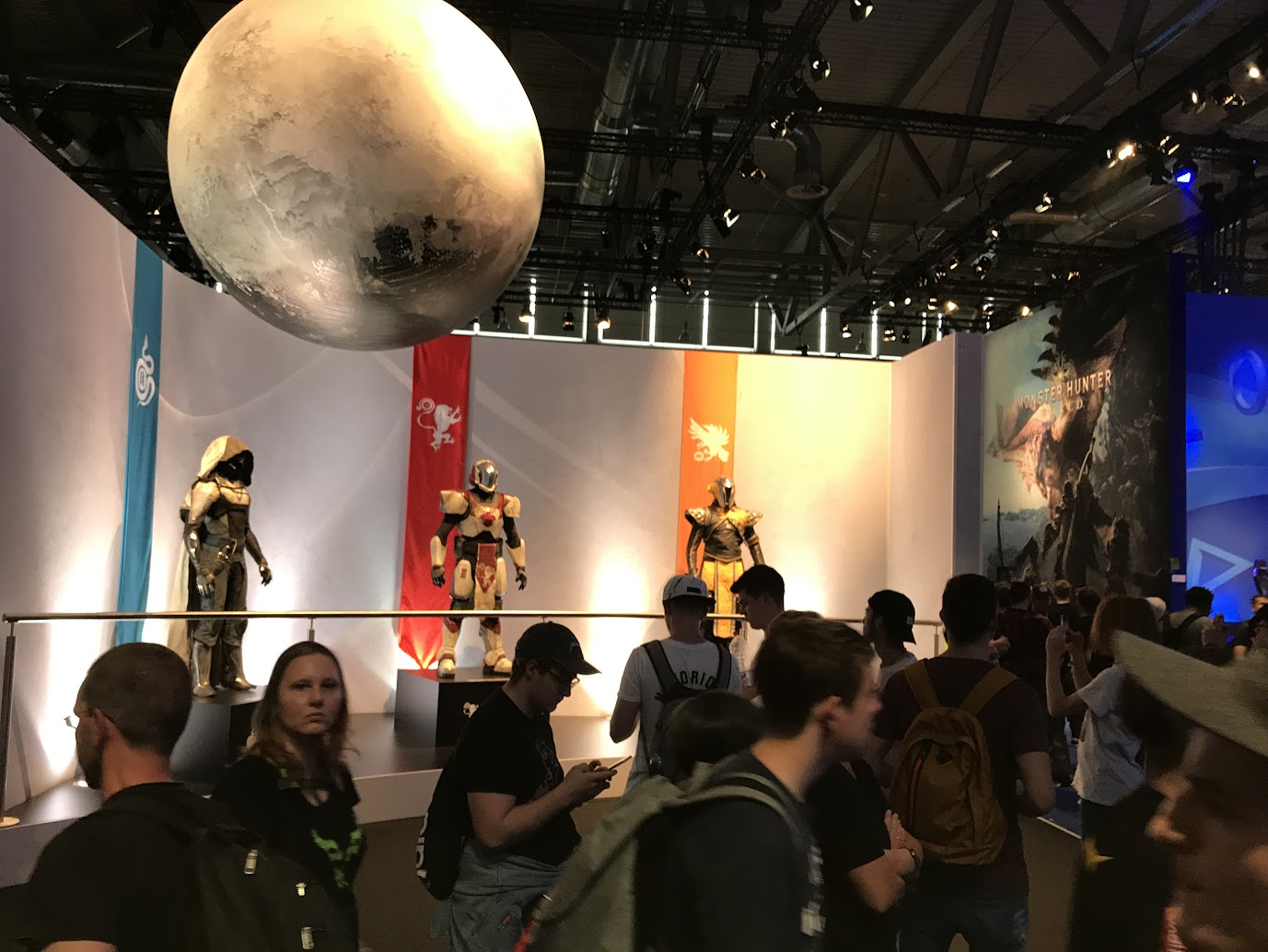 > Traveler and Guardian statues at Gamescom, 2017
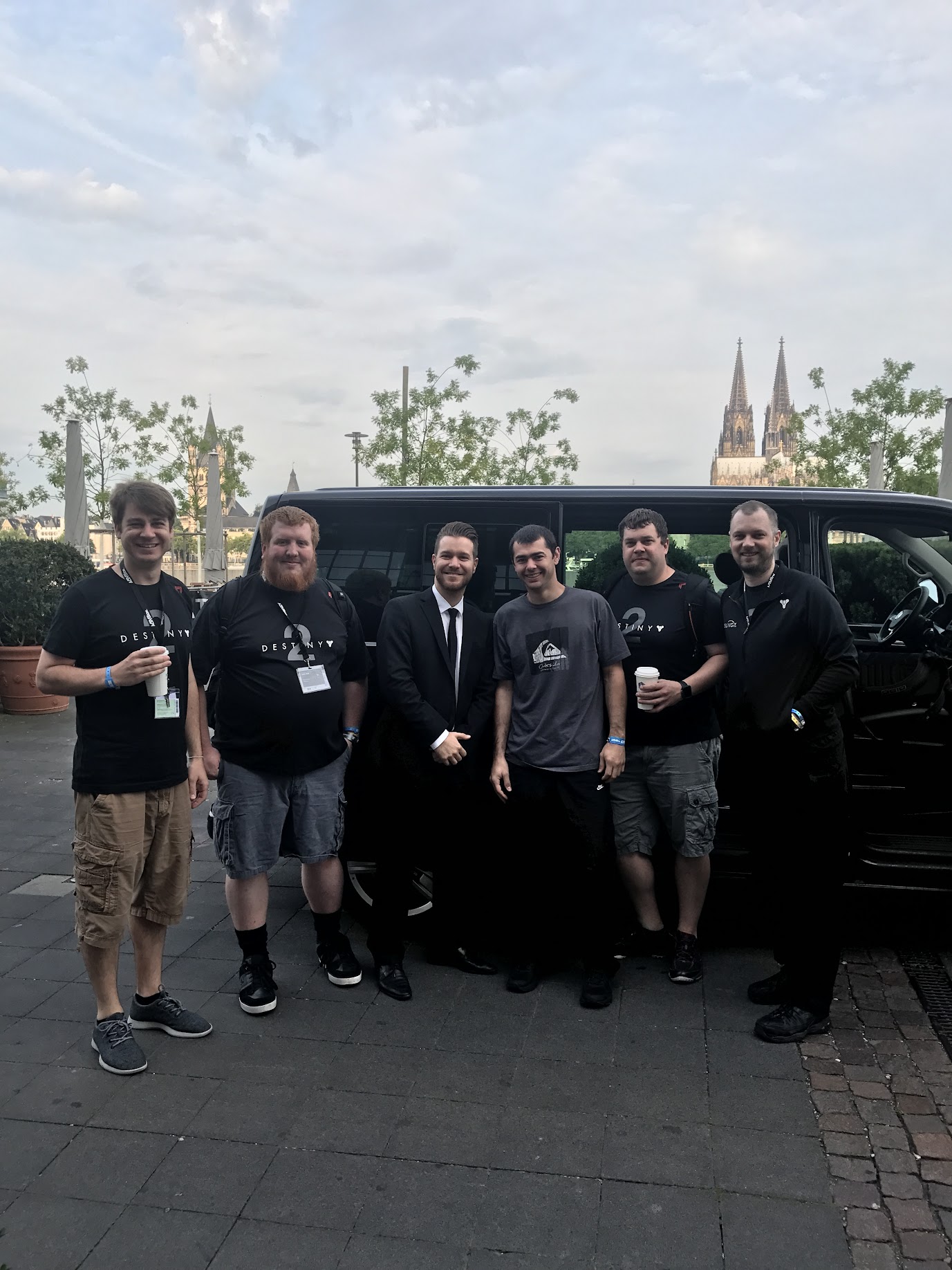 > Tech Team at Gamescom, 2017
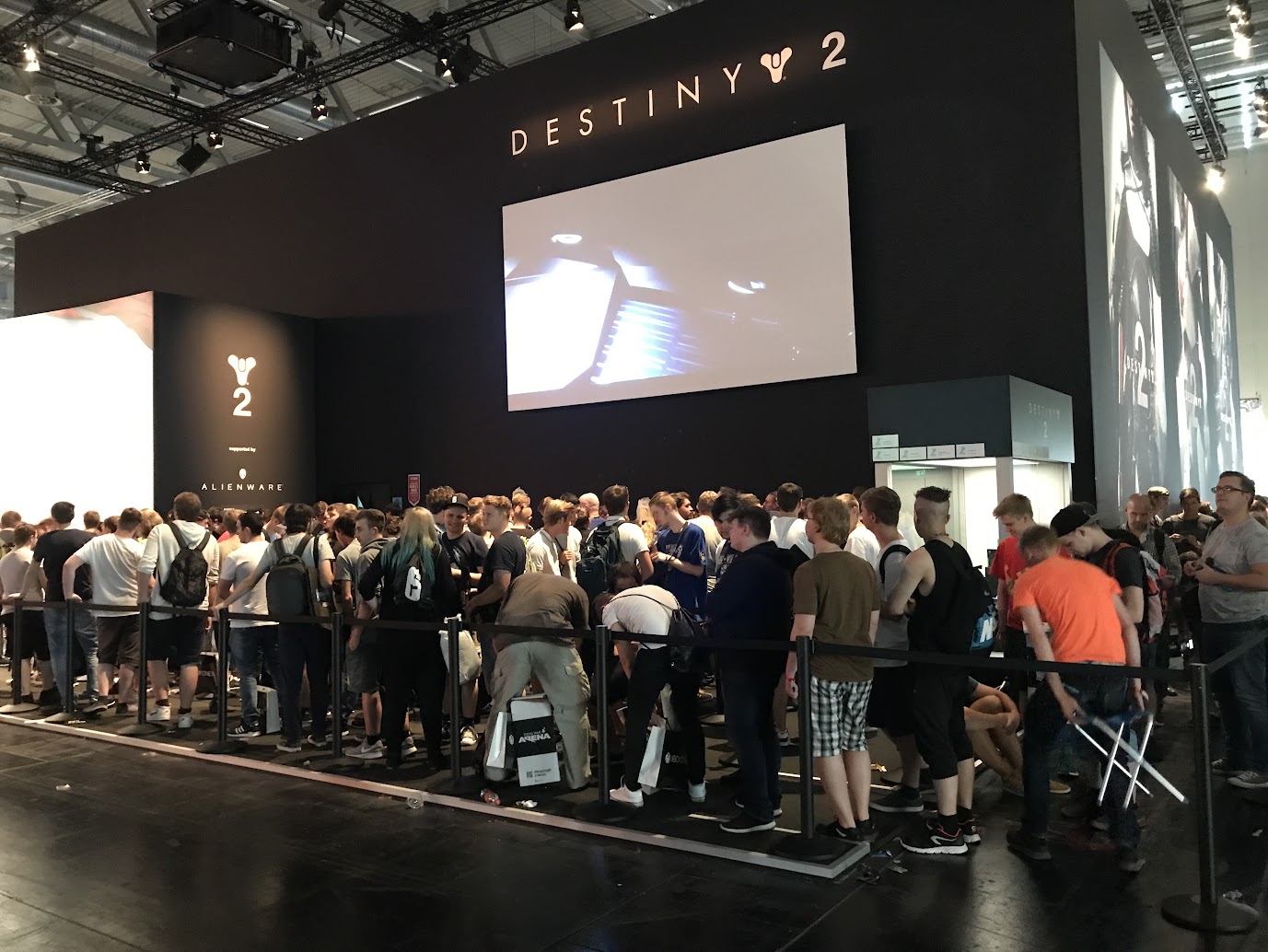
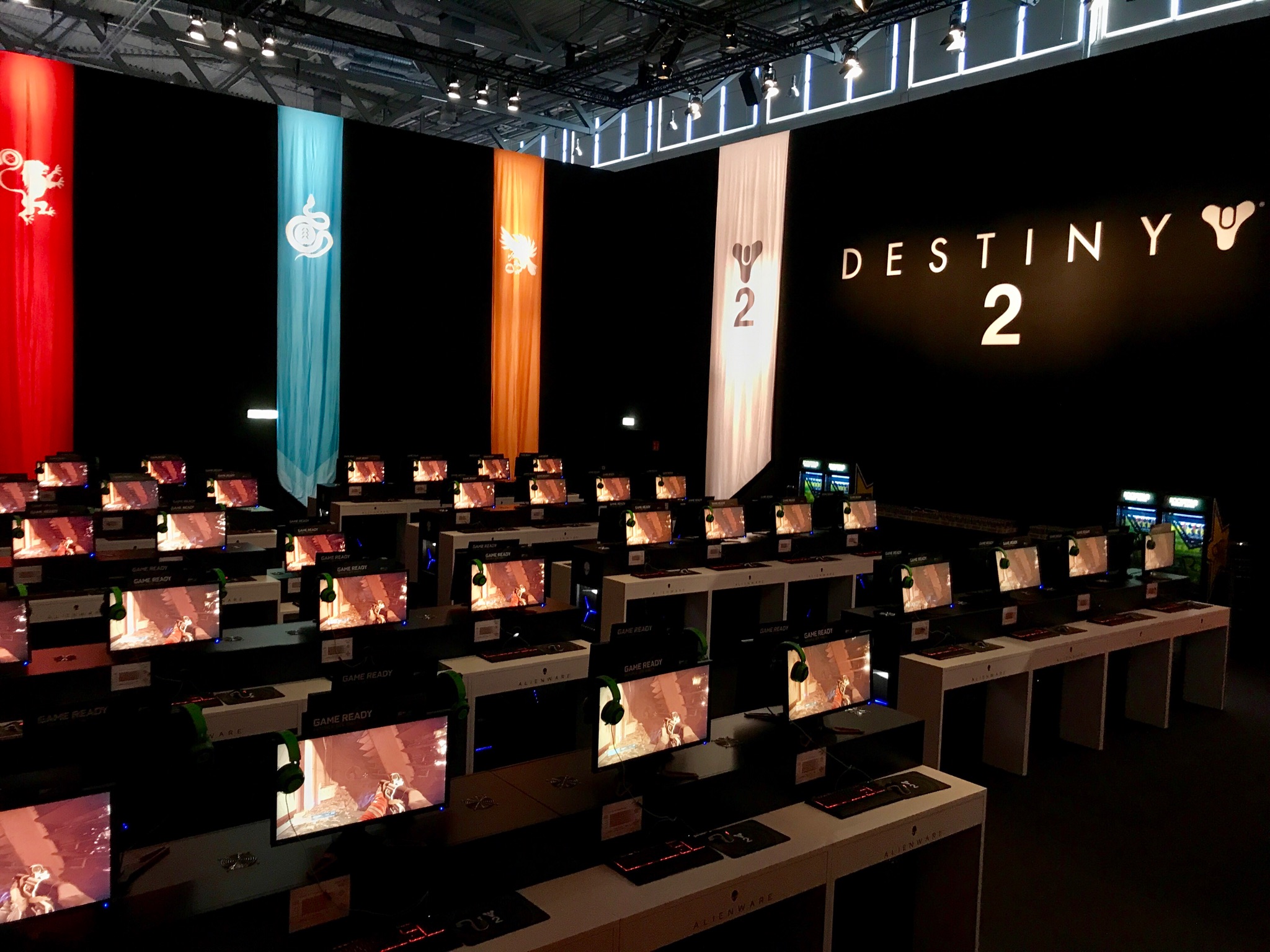
I was lucky enough to be on the tech team that supported live events like E3, PAX, and Gamescom. We’d have a version of our new content available at the shows for attendees to play for the first time, which meant a lot of game stations and infrastructure needed for each event. I loved meeting Guardians from all over the world, sharing their experiences with Destiny with us. We’d meet entire clans, couples who met in the game, families who were connected across distances by Destiny, cosplayers representing their favorite characters, and everything inbetween. I really cherished getting to see so many folks who loved Destiny like I did. We made games we wanted to play, but it’s them wanting to play that made the entire thing possible.
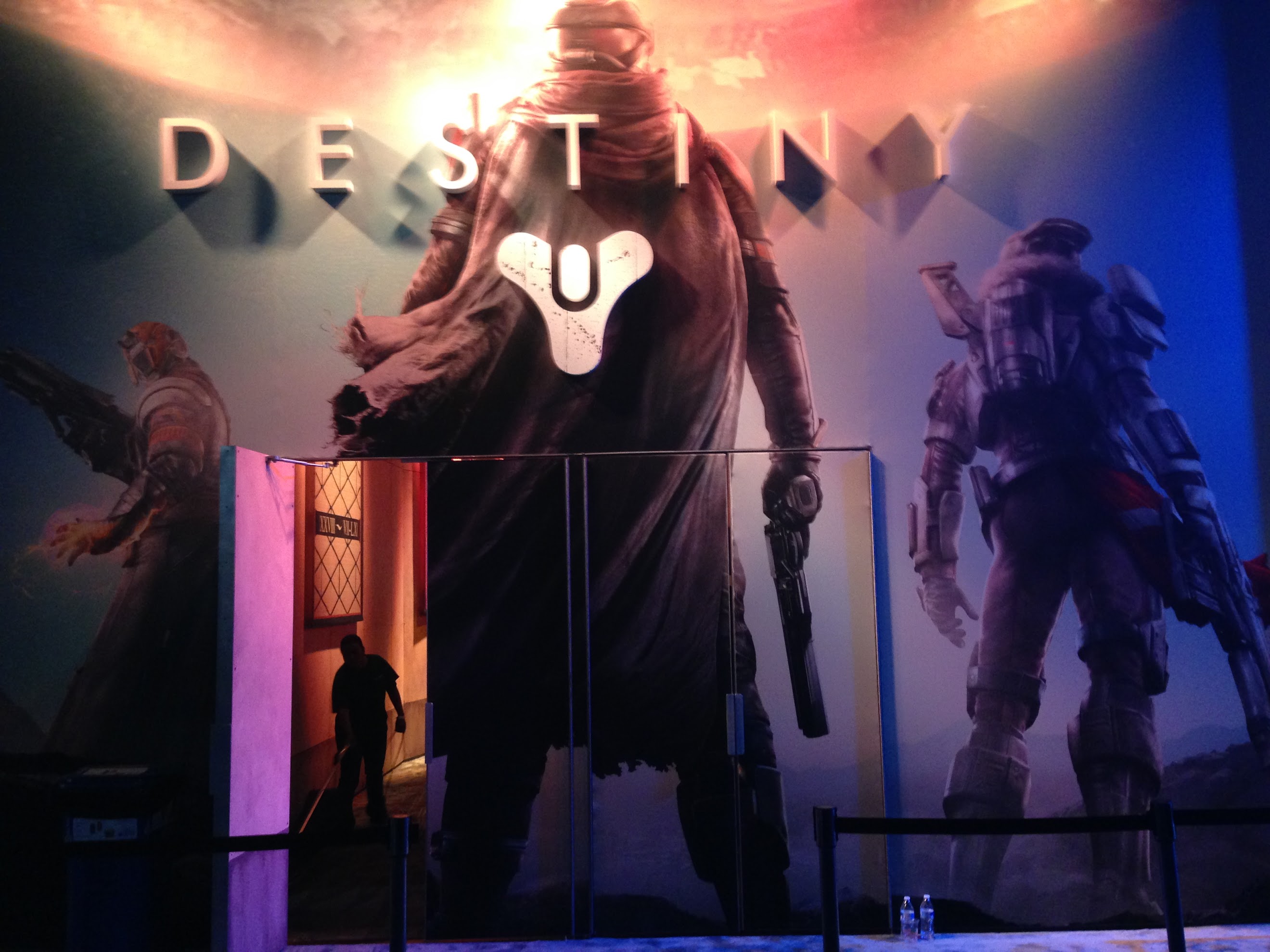 > Destiny Mural at E3, 2014
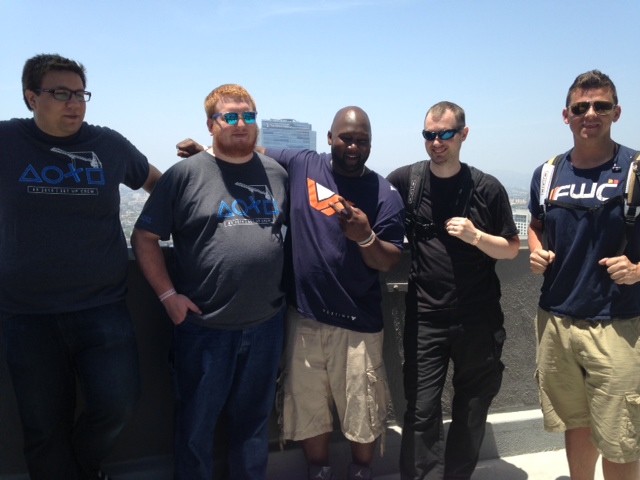
> Team on Rooftop of E3, 2014
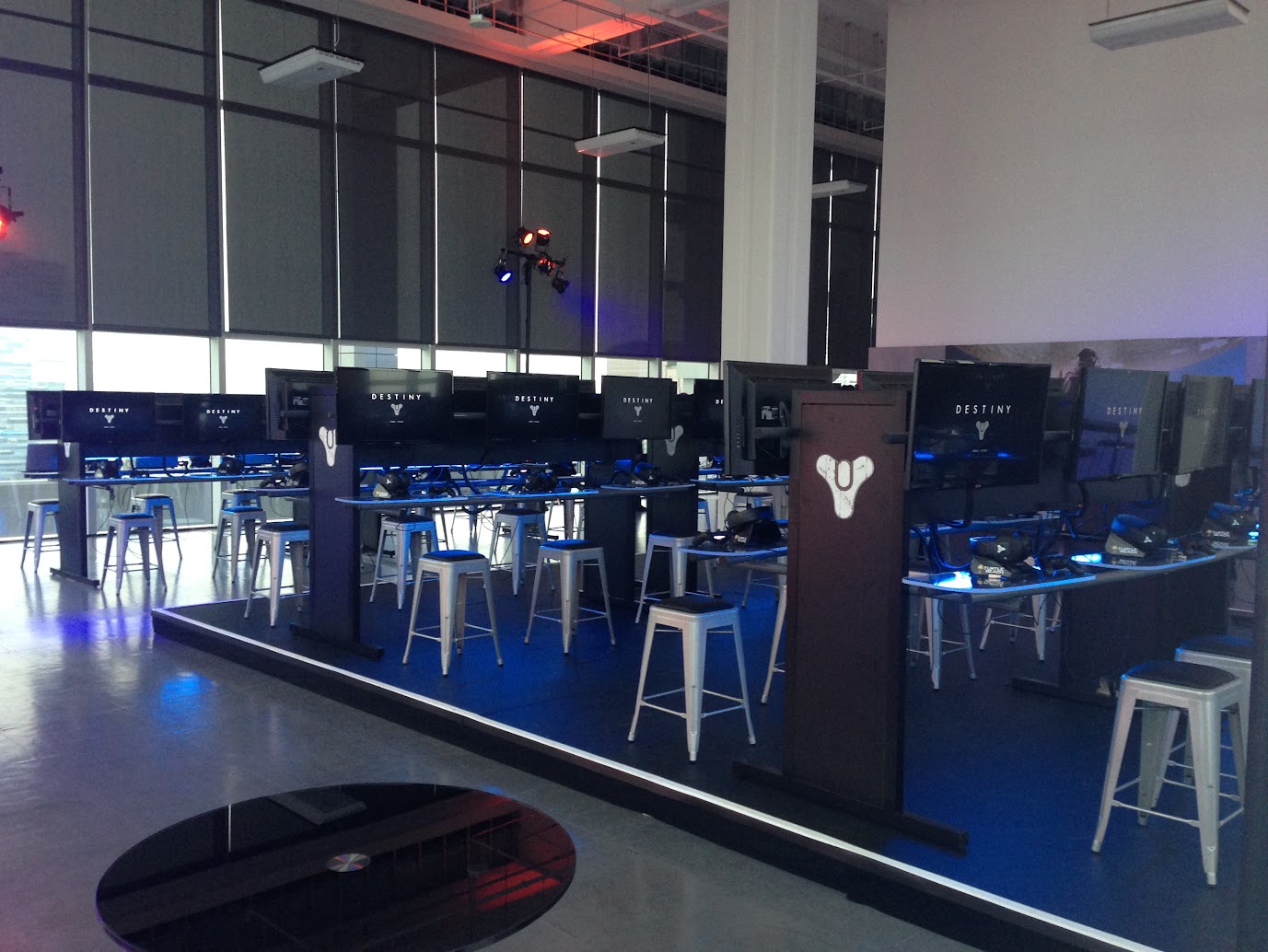 > Influencer layout of E3, 2014
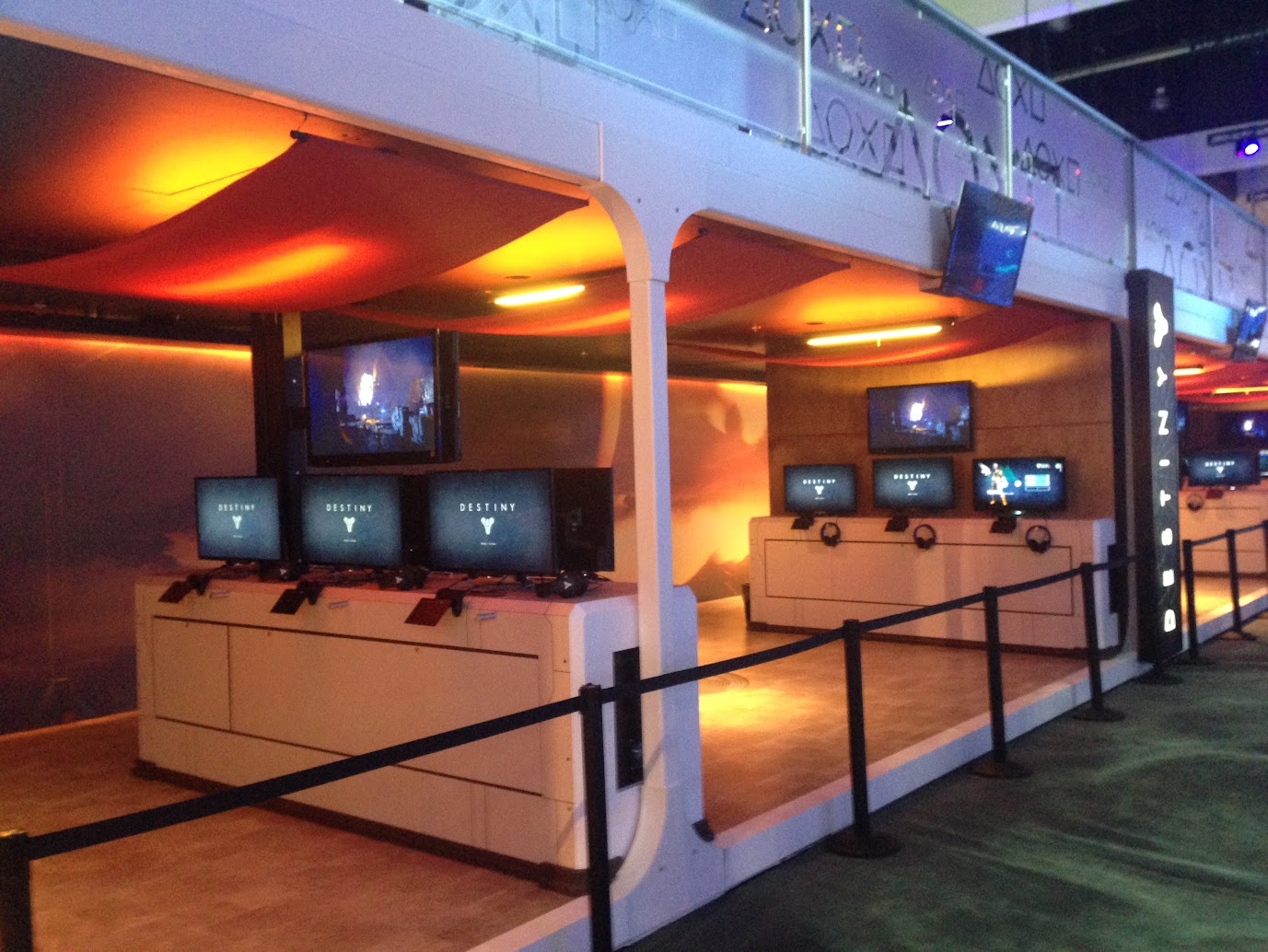 > Sony Booth of E3, 2014
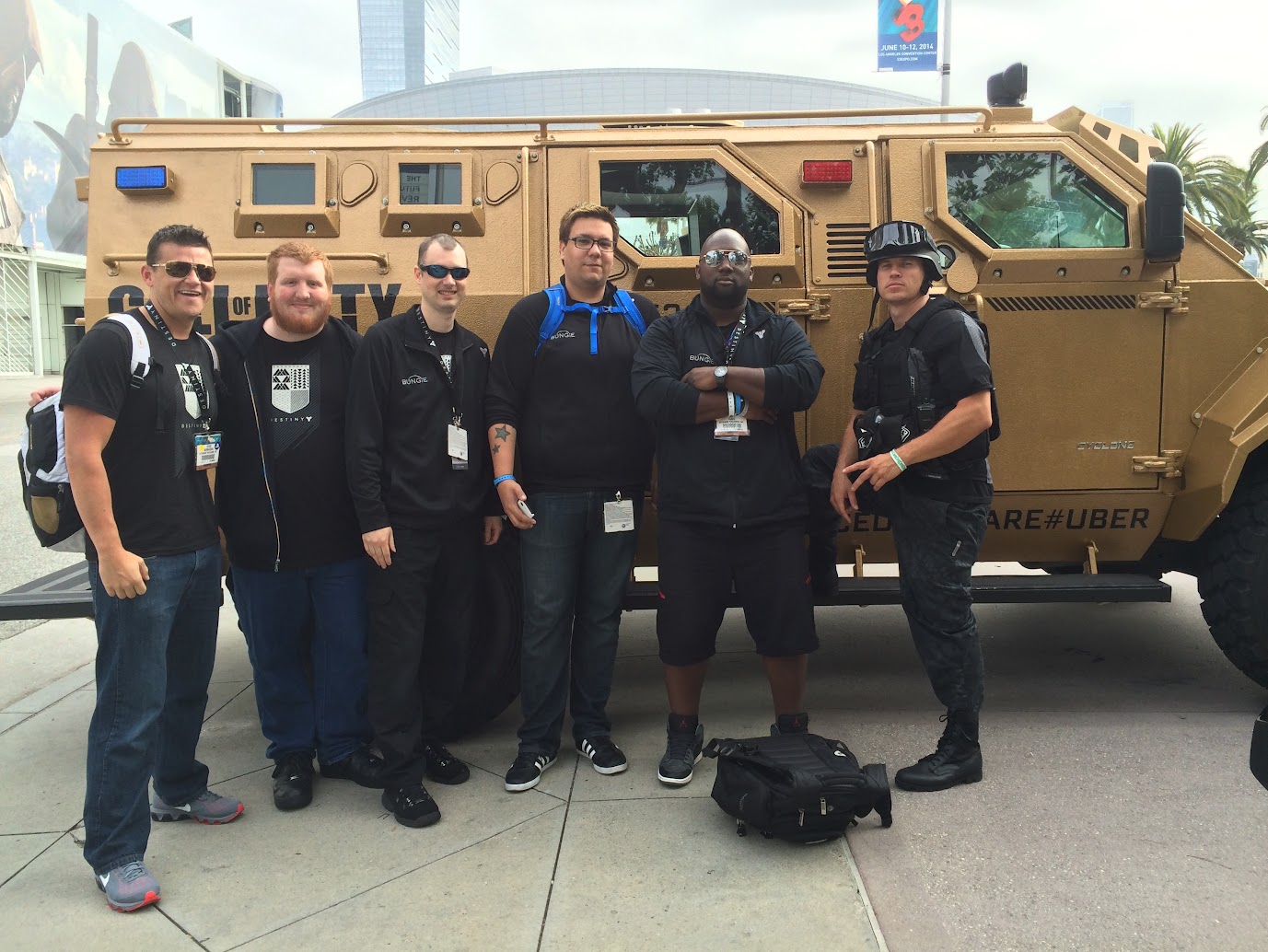 > Team taking a COD Uber to E3, 2014
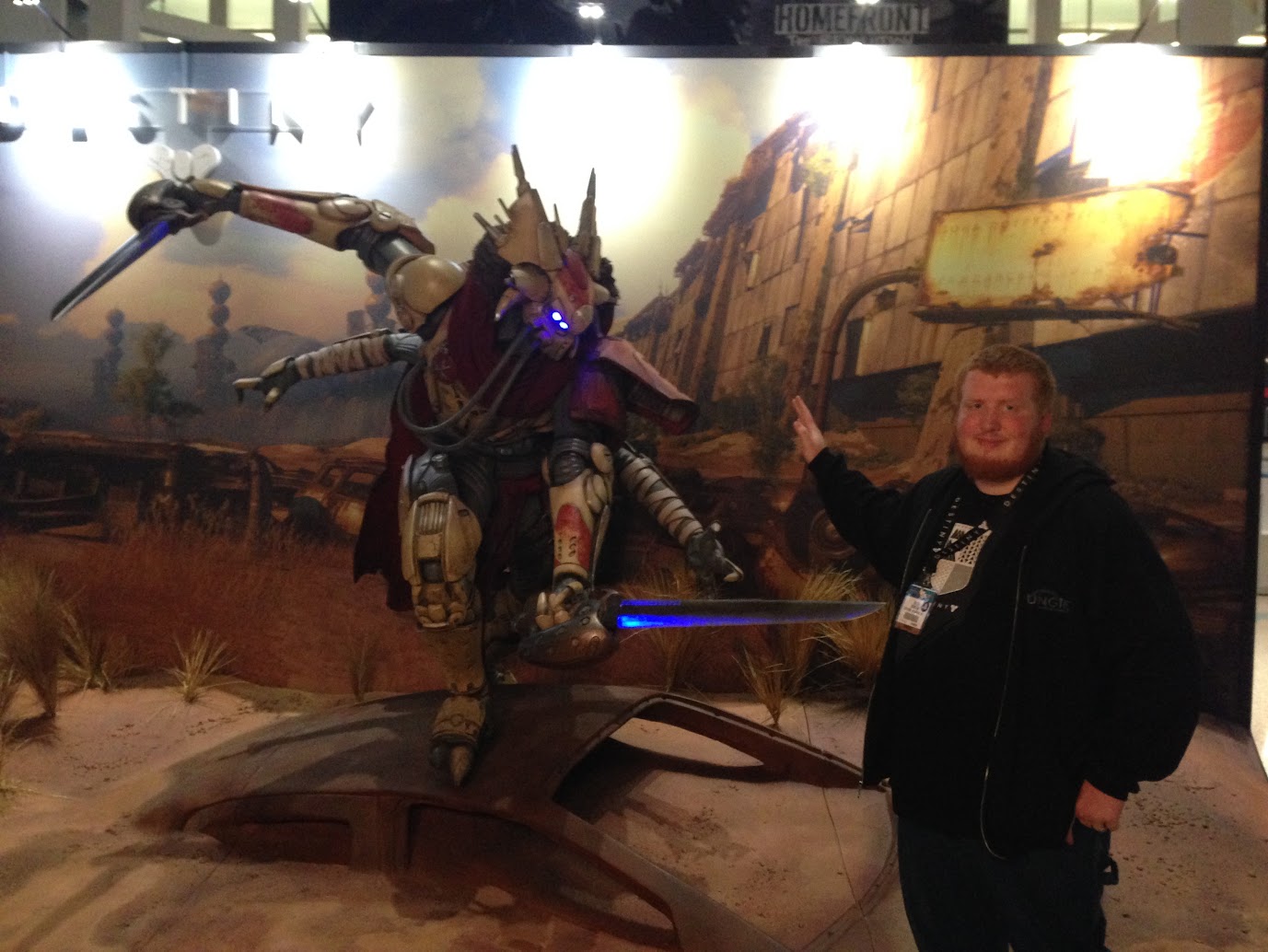 > Fallen Captain at E3, 2014
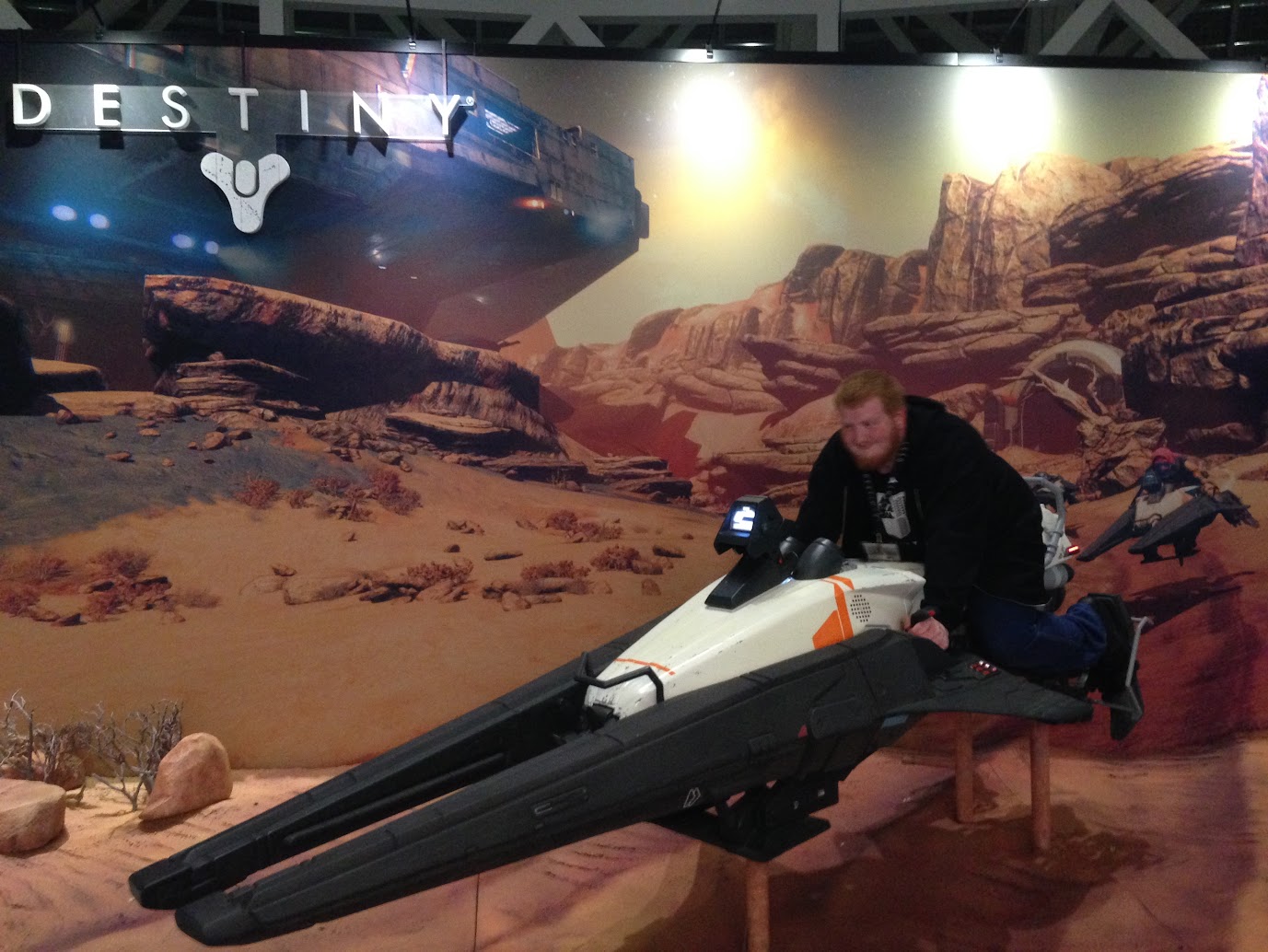 > Lifesize Sparrow at E3, 2014
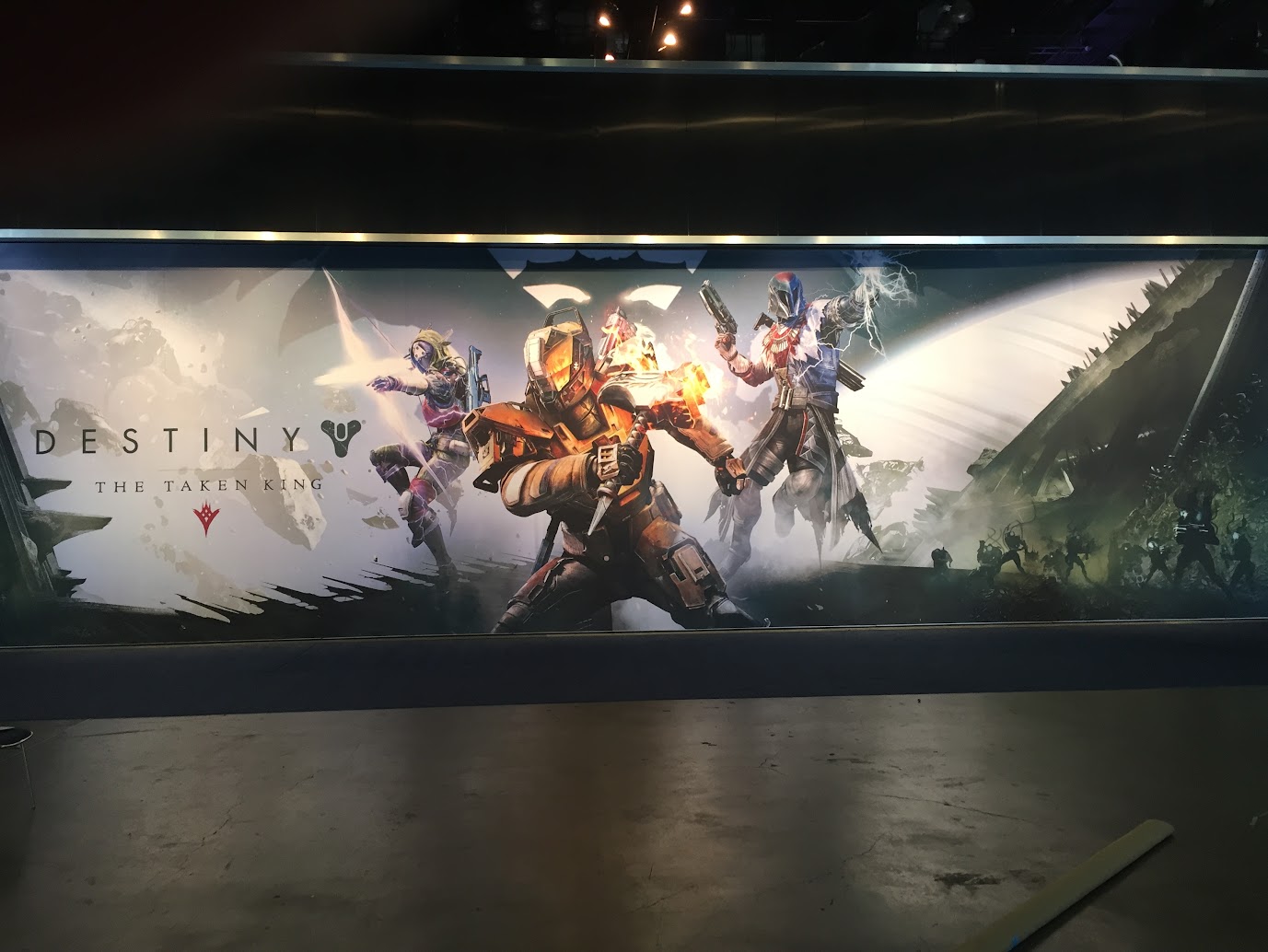 > Taken King Mural at E3 2015
For these events, we’d hire a bunch of local folks to act as “mentors” to guide event fans through our booth experience. These folks were often fans of Destiny, or became fans after being immersed in it for a few days. On the last night of the event, we had a closing ritual, where the Bungie team would play a match against the locals for a year’s worth of bragging rights.
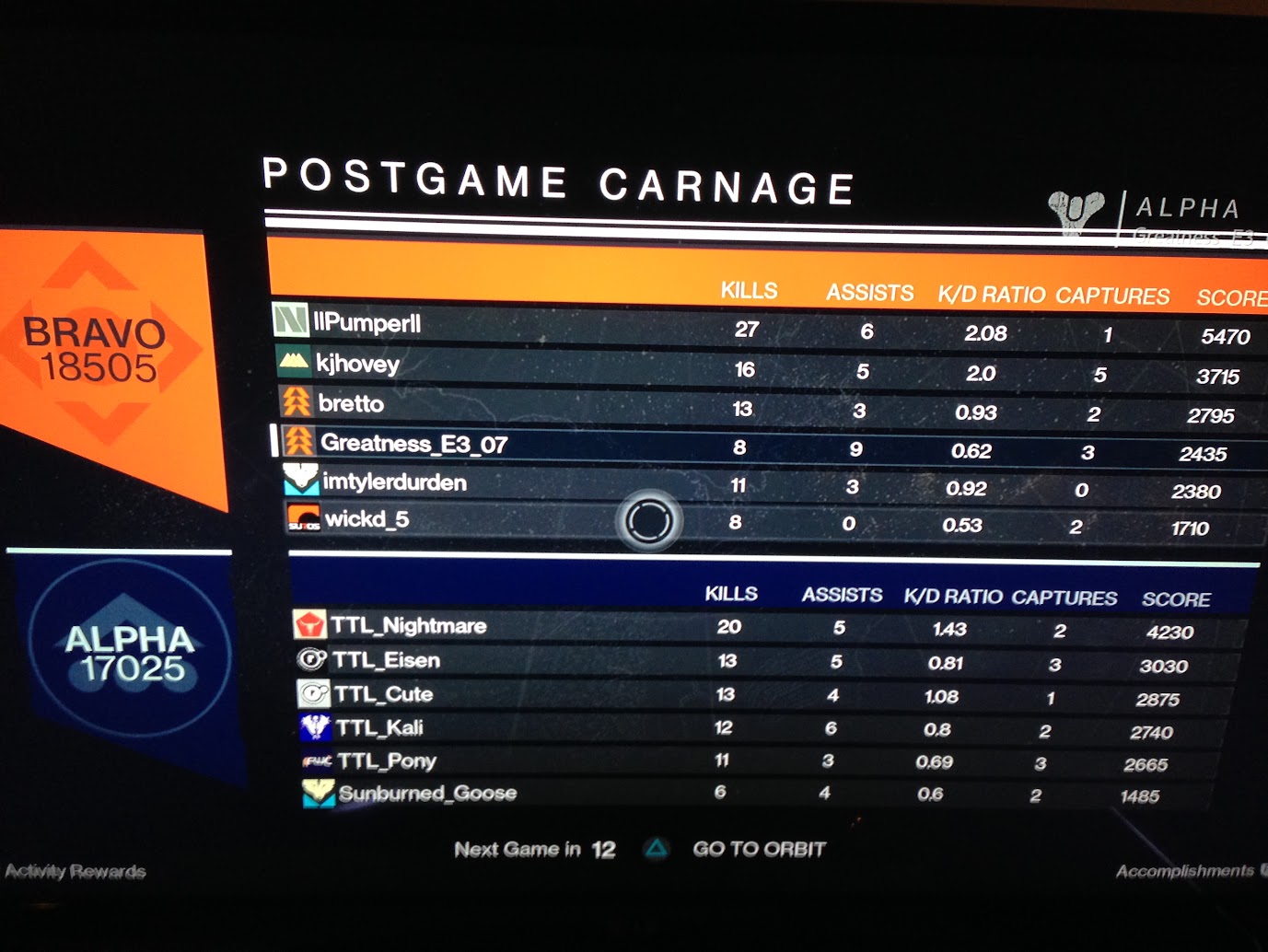 > Defeating Clan TTL at E3, 2014
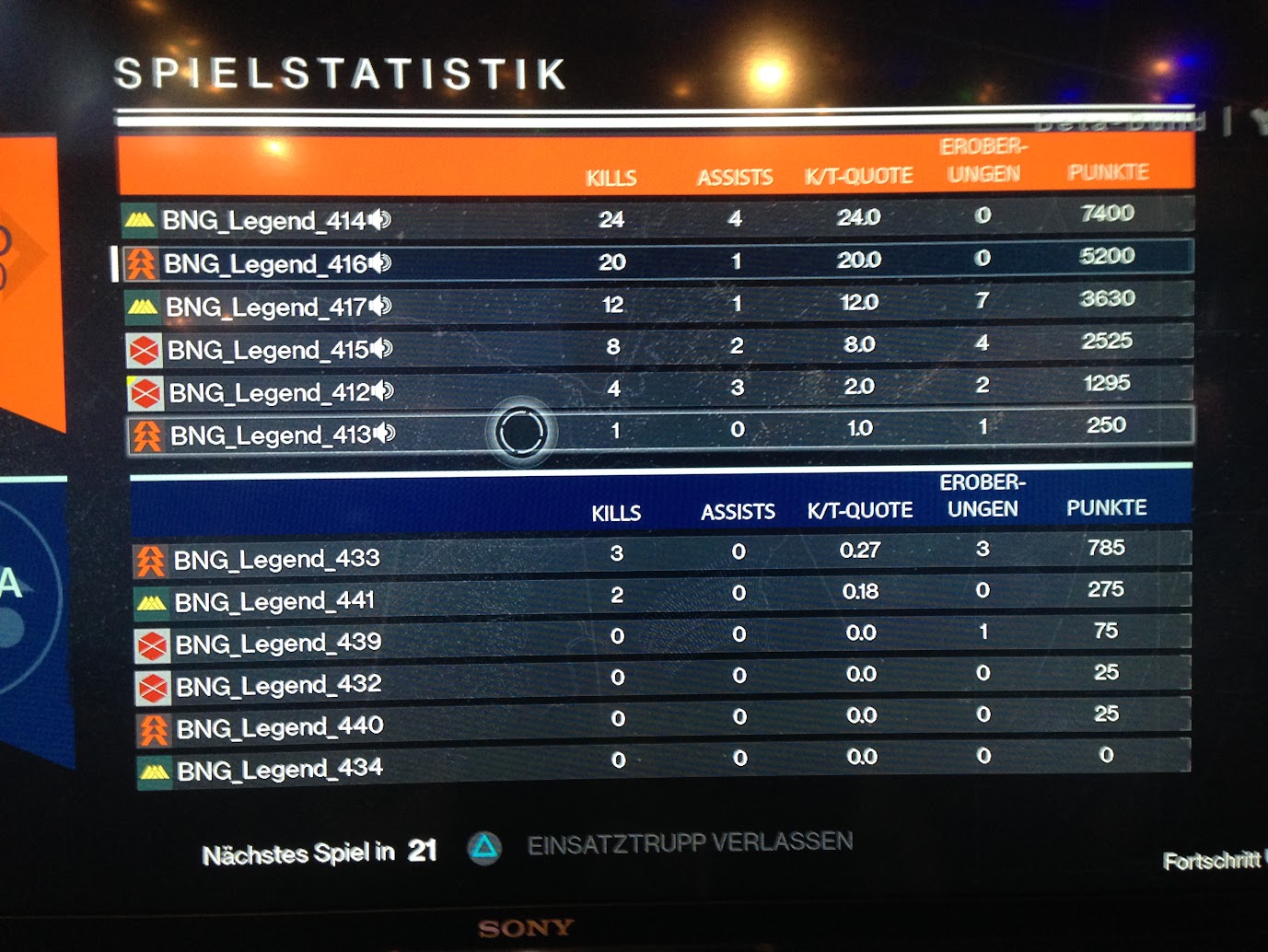 > Defeating the mentors at Gamescom, 2014
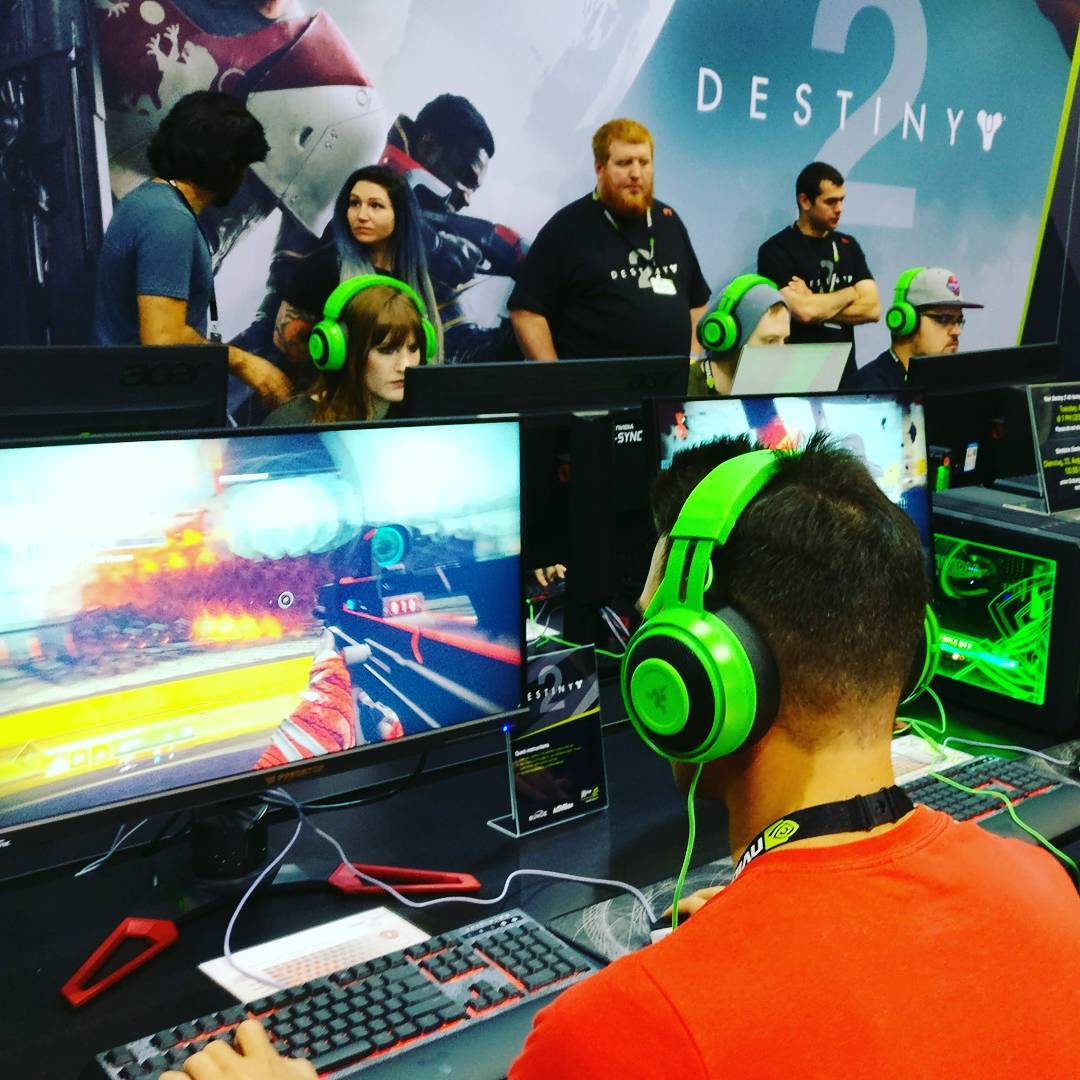 > Observing at Gamescom, 2017
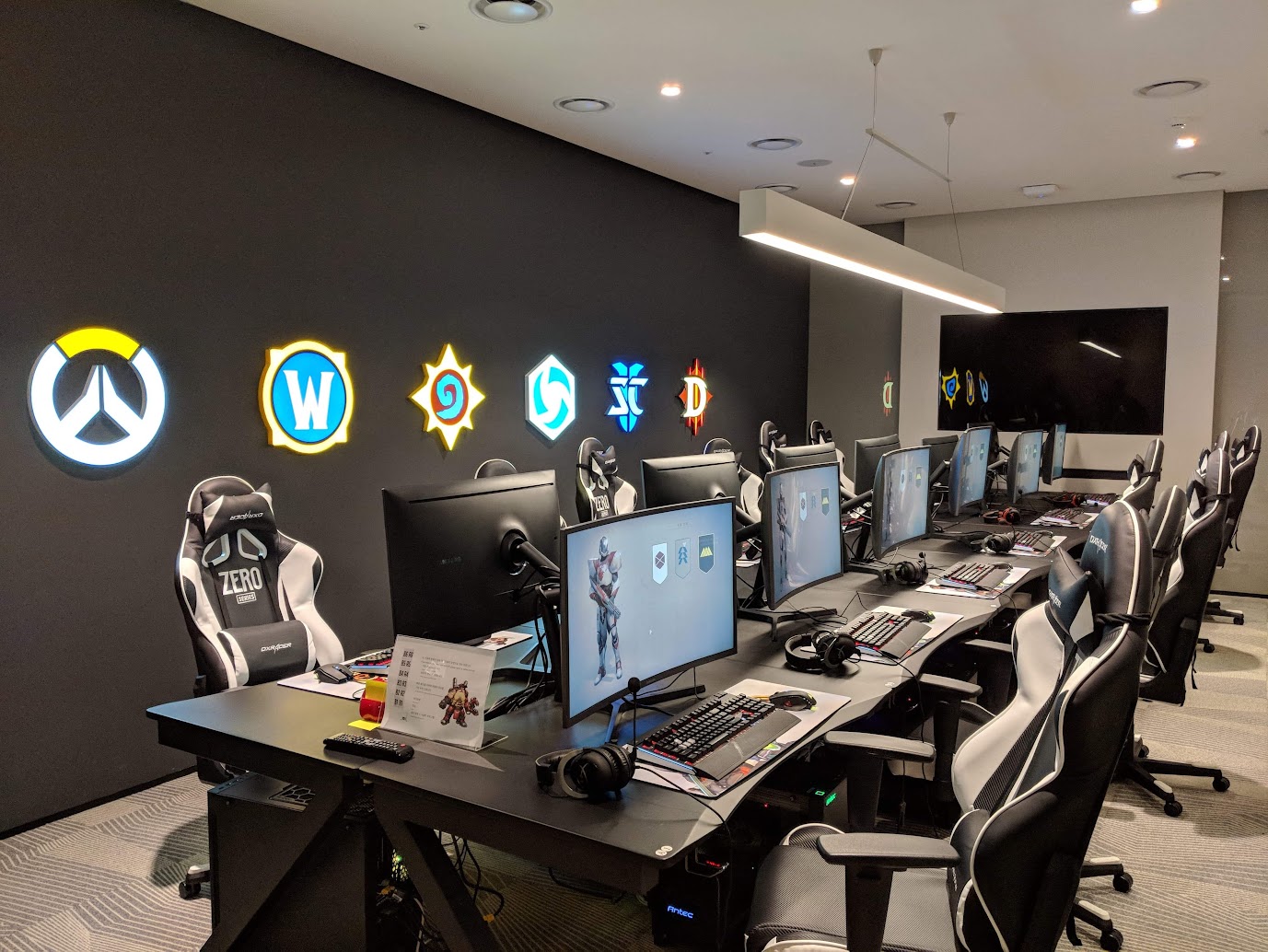 > Booth layout for Destiny Guardians launch in Korea, 2018
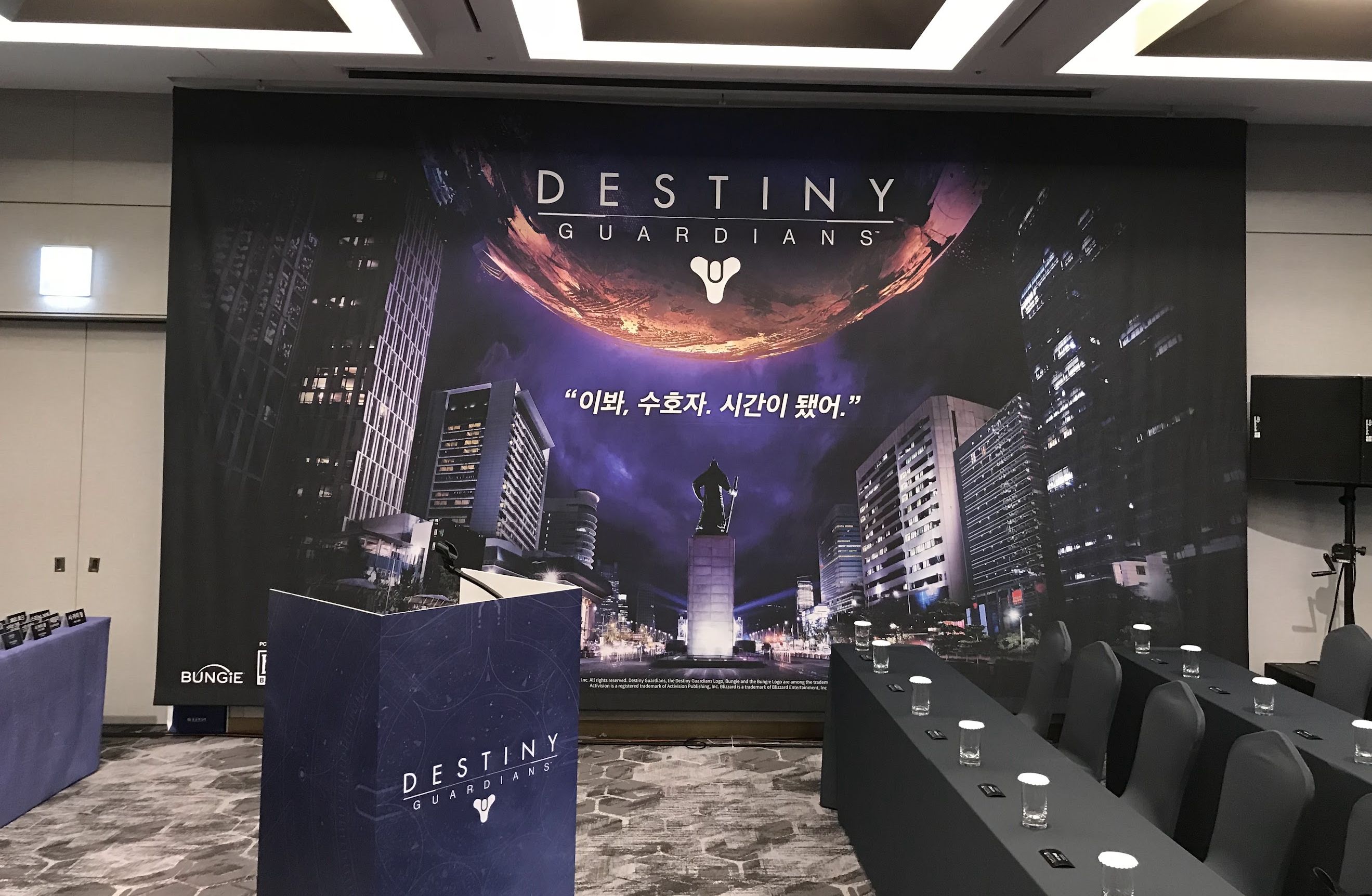 > Launch press conference for Destiny Guardians in Korea, 2018
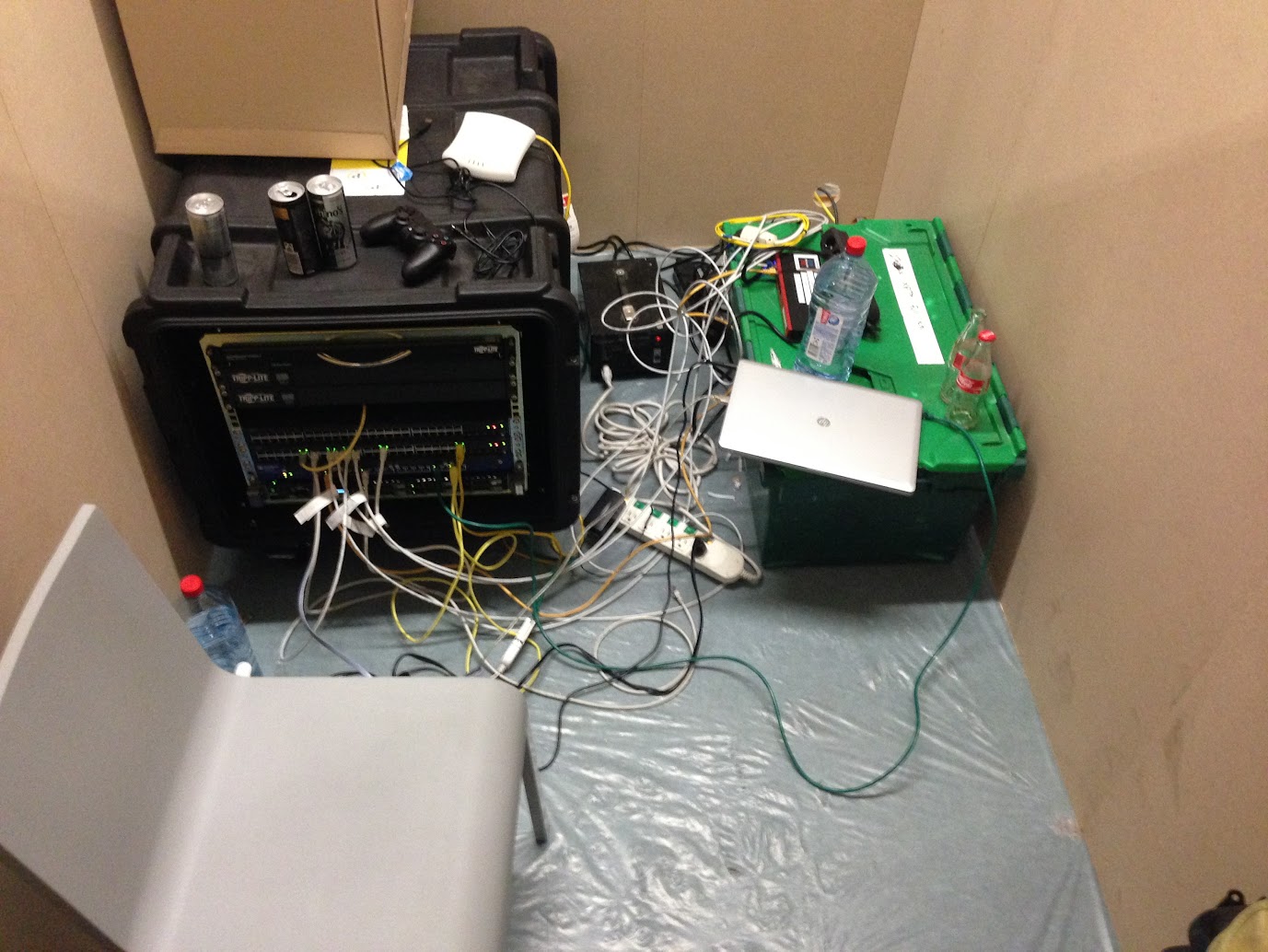 > The “tech room” at Gamescom, 2014
Wu-Tang / 3-6 chambers
 > Blizzard games as Destiny ghosts, from clan <Trademarked>
The mark of a truly great game is the community that it builds. I had been part of the WoW and greater Blizzard community for years as a fan, which had forged still-strong friendships and meetups at BlizzCon each year. When Destiny launched, I had no idea it would have an even greater impact on my social life and friendships.
There are countless coworkers who I crunched with, clanmates who I quested with, raidmates who I plundered with, shooters who I went to battle with. Frosty fireteams of six that met every week for years to clear the raid, comrades who punched our ticket to the lighthouse every Saturday morning, brothers (both found and blood) who took on every challenge together.
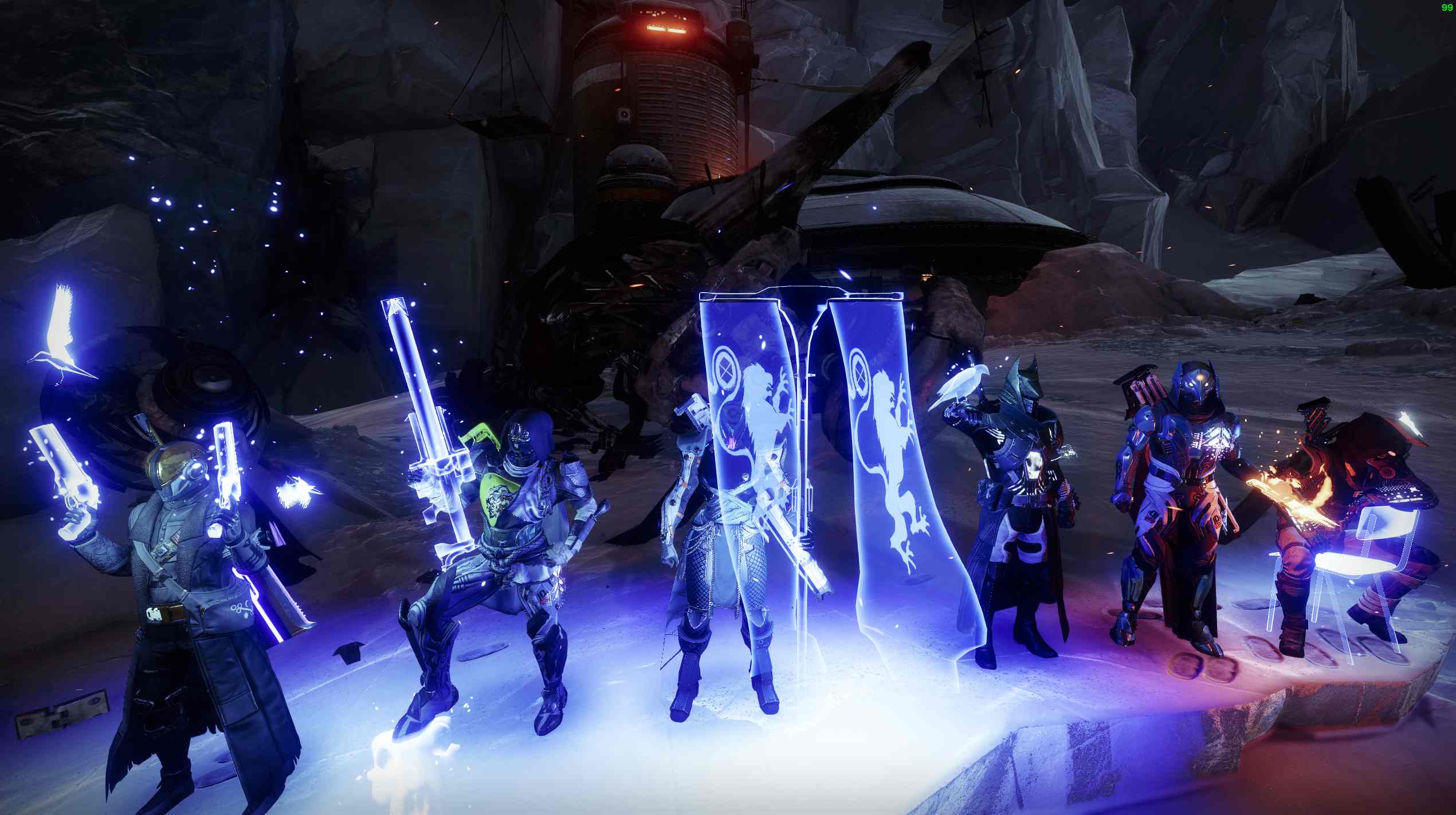 > The crew clearing Deep Stone Crypt
One of Destiny’s design pillars was to be a “third place”, where friendships and community could flourish. The game was my favorite place to hang out, and my five-digits of hours-played tell that story.
I’ve had over 100 fellow Guardians in my back yard for cheesesteaks and raiding. The thousands of Guardians that I’ve met along the way have changed my life in so many positive directions. My best friend today is someone who overnighted a PS4 from Amazon, just so he could join the Destiny F&F alpha since it was a platform exclusive; he joined me later and we built Marathon’s infrastructure together. I have a fireteam of a half-dozen Guardians within a mile radius of my house, ready to gather to a rally flag at any hour of the day. We’ve crunched while building Destiny together, we’ve crunched while playing Destiny together, and we’ve crunched on BBQ and pizzas while hanging out together.
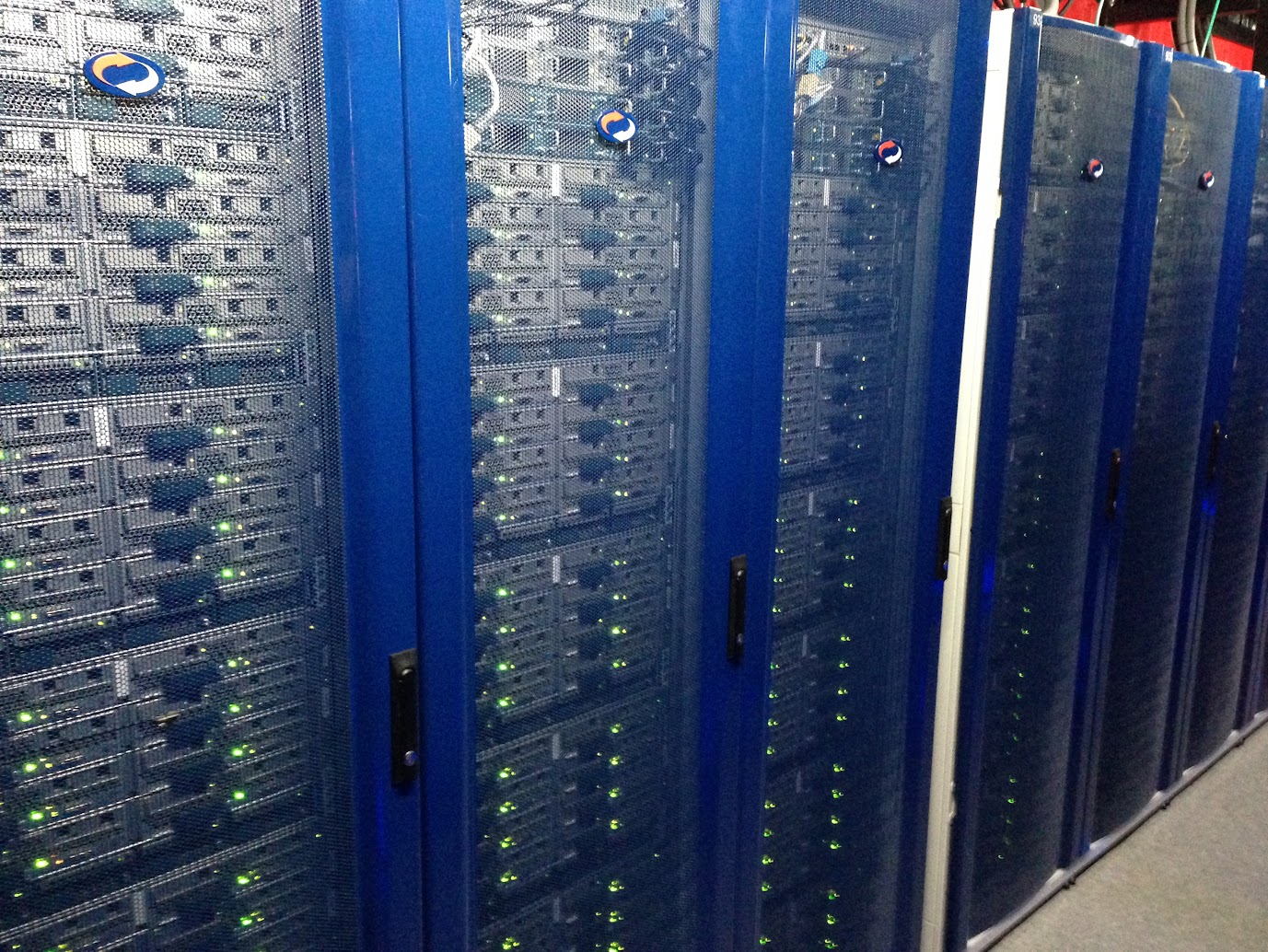 > The infrastructure that ran Destiny
The Final Shape
Just two weeks after the final content patch, on June 25 2026, the ~entire dev team of Destiny was laid off from Bungie.
In the before times, Bungie had a “new hire lunch” program, where anybody could take a new hire out to lunch in their first 6 months for free. I wanted to know everyone at the company, and I love free lunch , so it was a perfect match. My small team took out 2-3 folks a week to lunch somewhere in Bellevue. In one year of rapid company growth, we lunched over 100 new hires. We’d learn about their history, what they’d worked on before, what they were going to work on at Bungie, what types of games they liked to play, etc. I felt closer to my coworkers at Bungie than anywhere I’d ever worked before.
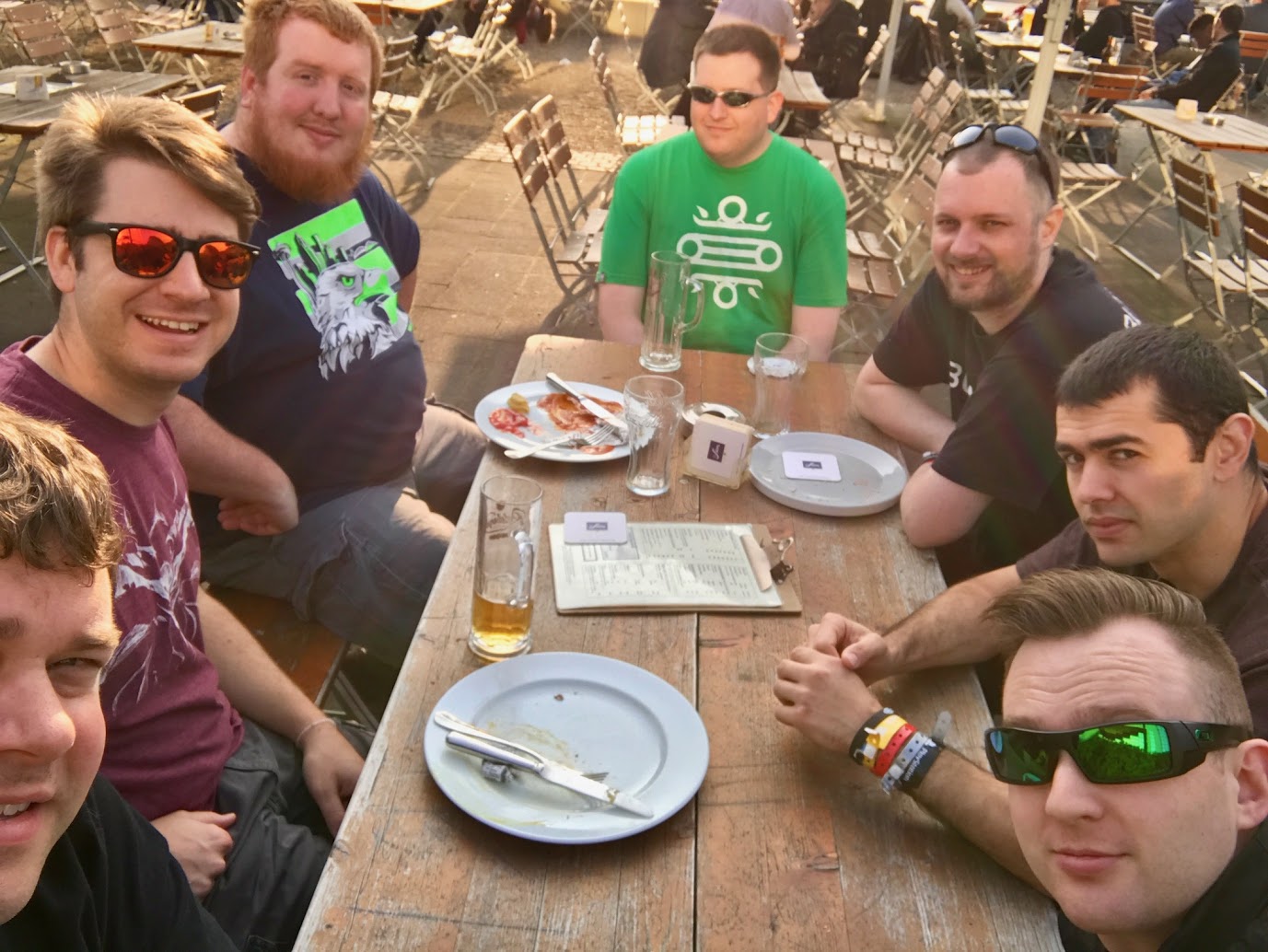
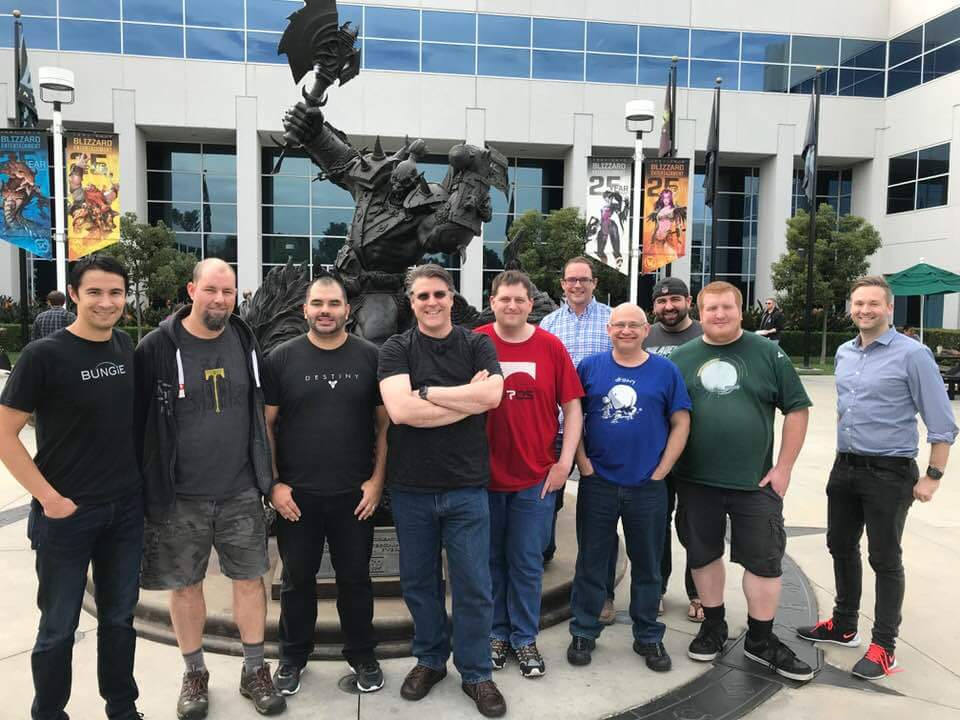
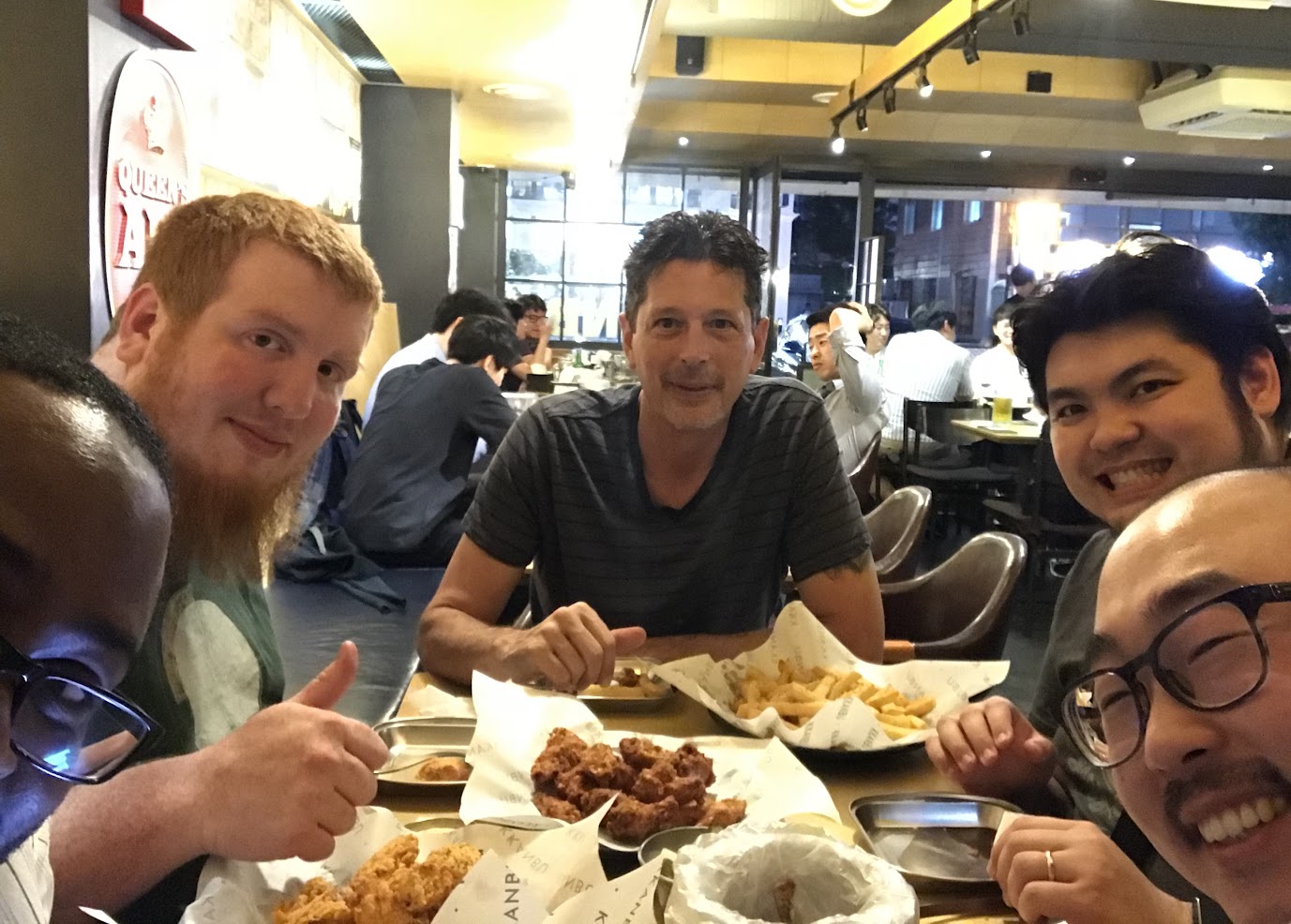
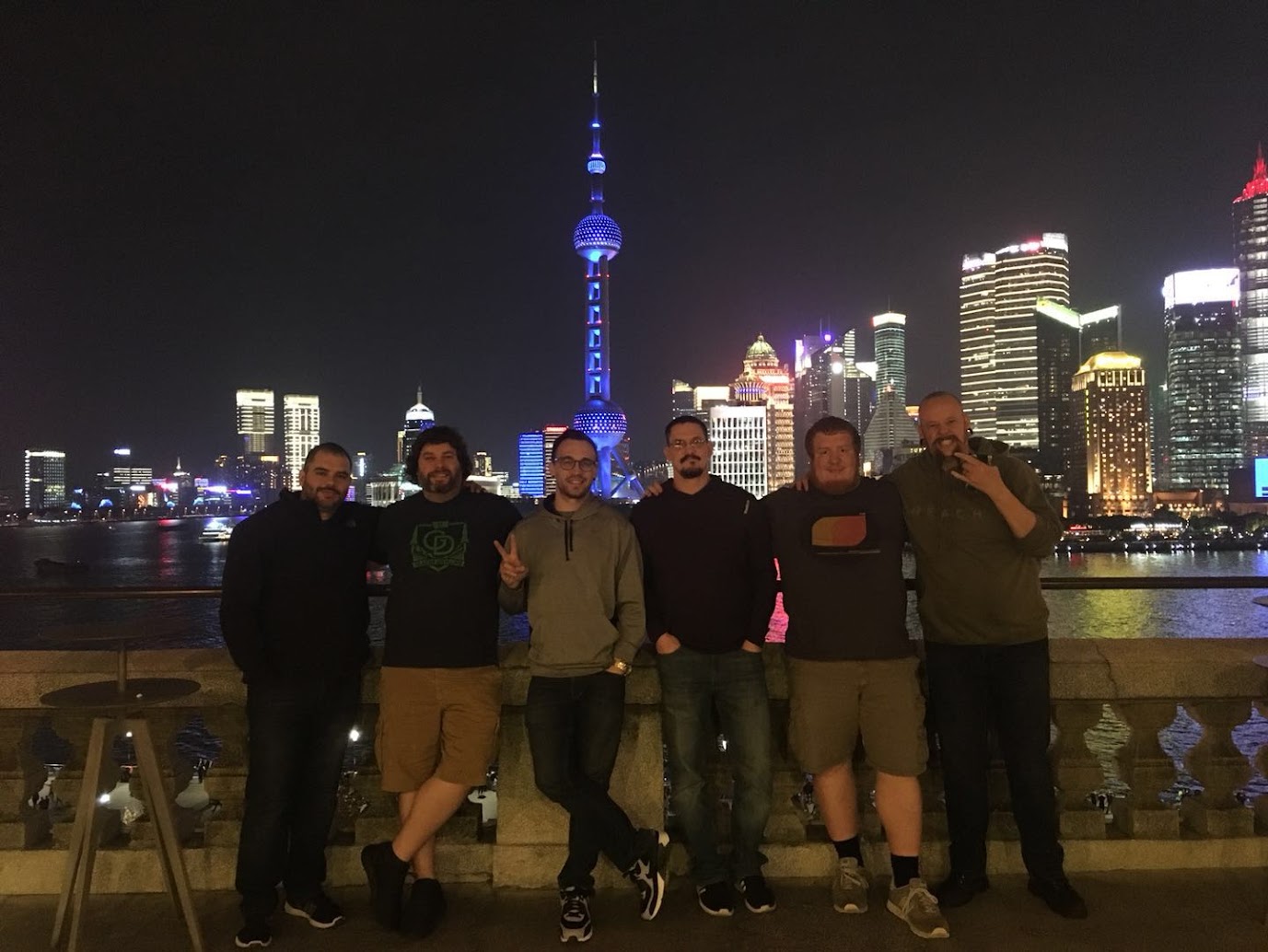
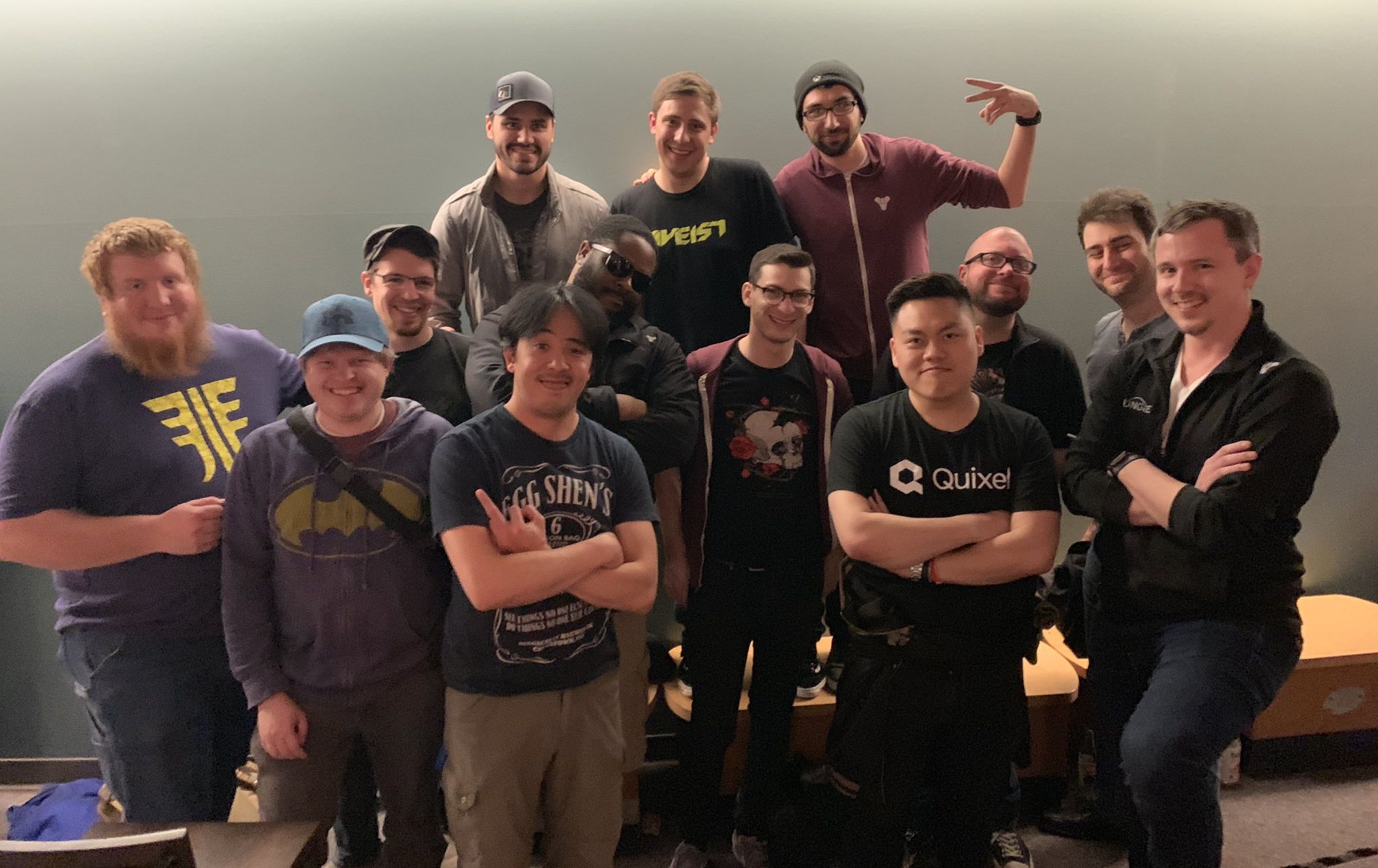
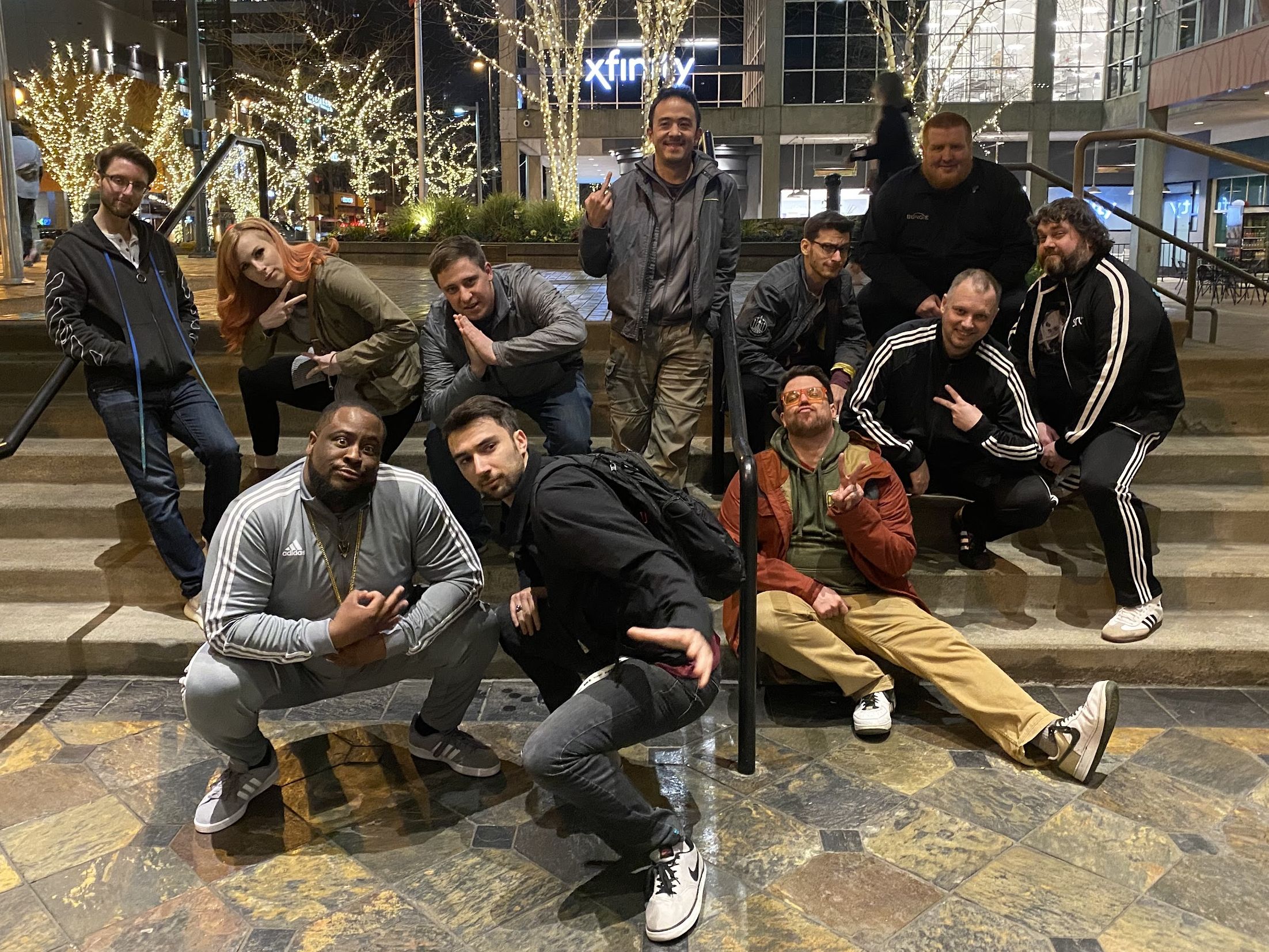
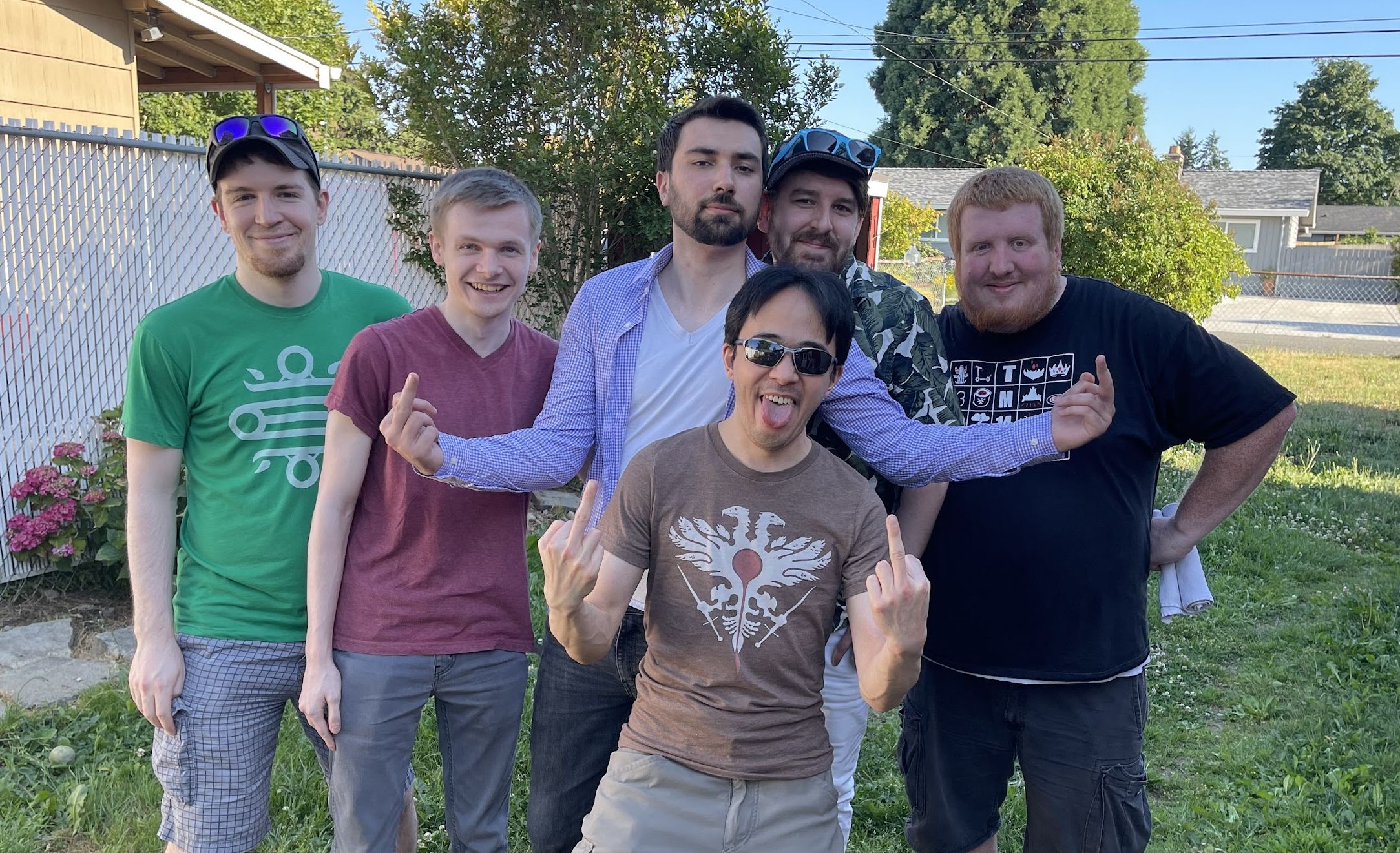
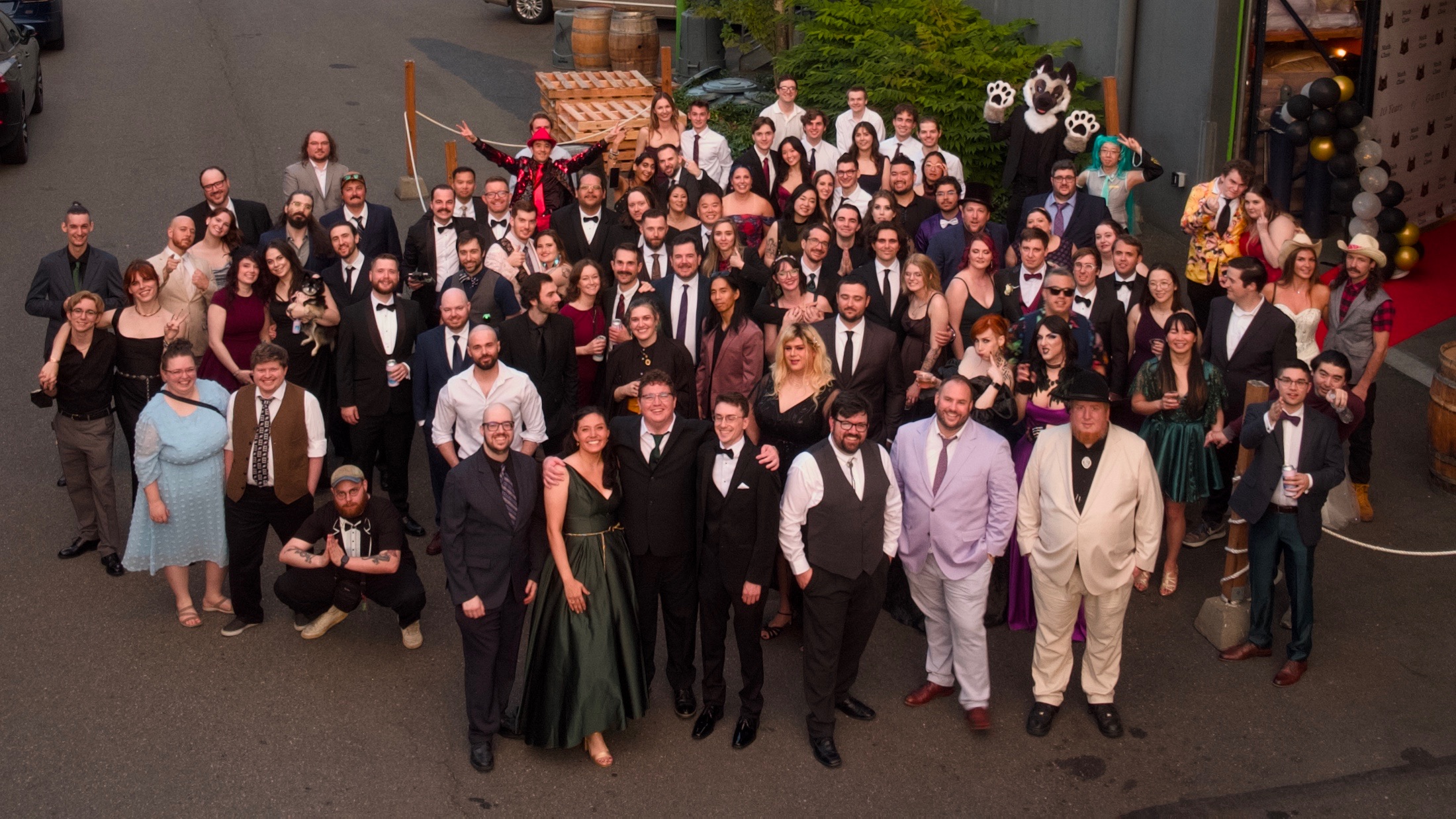
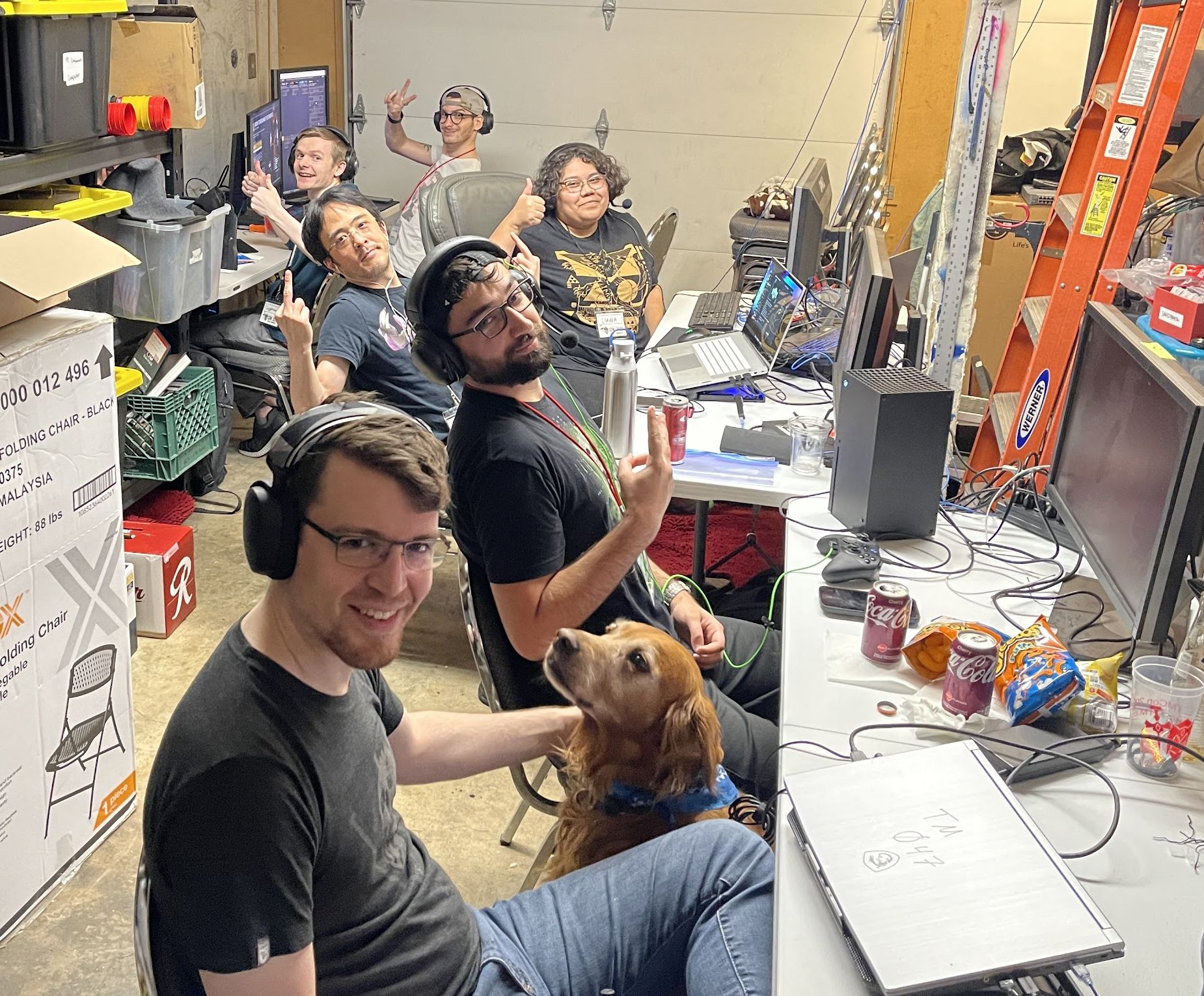
The camaraderie at Bungie, even across teams, made us all feel like we were all building Destiny together. Seeing many of those same names in the lists of layoffs has brought me so much pain, as I remember my interactions with each person and what they contributed to our games. Maybe there will be a game titled Destiny 3 someday, but it won’t have had their talented hands and hearts shaping it.
I will, however, remember how they shaped me.